Slow Travel Europe: My Top 6 Countries For Slowing Down
Slow travel Europe is about staying longer, travelling mindfully, and connecting deeply with local culture. From Portugal’s relaxed Alentejo region to Switzerland’s scenic alpine rail routes, these are my top six countries for slowing down and experiencing Europe in a richer, more meaningful way.
Europe is one of the best regions in the world for slow travel.
With layered history, distinct regional cultures, varied landscapes, and one of the world’s best rail networks, slow travel Europe offers the chance to experience places deeply – without rushing from landmark to landmark.
Slow travel Europe can mean wandering the boulevards of Paris for a week instead of a weekend.
It might look like hiking through the Swiss Alps between mountain villages, or renting an apartment in southern Italy and settling into local rhythms.
Rather than racing through checklists, slow travel invites you to stay longer, move intentionally, and connect meaningfully with local life.
Imagine sipping wine in Tuscany near Florence, where rural life and Renaissance art blend effortlessly.
Or wandering Lisbon’s Alfama district, where tiled façades and late-night fado music naturally slow your steps.
Perhaps hiking around Lake Bled and Triglav National Park in Slovenia feels more your pace.
At its core, slow travel Europe transforms how you experience the continent – making journeys richer, more sustainable, and far more memorable.
What Is Slow Travel in Europe?
Slow travel in Europe isn’t a new idea. Its roots stretch back to the 19th century, when railways first linked European cities and travellers valued the journey as much as the destination.
Scenic alpine routes through Switzerland and Austria became experiences in their own right. The legendary Orient Express, launched in 1883, symbolised a slower, more elegant way to cross the continent – one centred on comfort, culture, and conversation.
In the mid-20th century, cars and budget airlines shifted tourism toward speed and efficiency. Weekend city breaks replaced extended stays. Multi-country itineraries became the norm.
But in response to overtourism, burnout, and the desire for deeper connection, slow travel Europe has experienced a powerful resurgence.
Today, more travellers are choosing longer stays, scenic rail journeys, local markets over must-see lists, and quality over quantity.
Slow travel is not about doing less – it’s about experiencing more.
Destinations for Slow Travel in Europe
Not every destination lends itself equally to slow travel. The best places tend to offer:
- Walkable towns and compact historic centres
- Scenic train routes or car-free regions
- Strong regional food culture
- A lifestyle that encourages lingering
From Portugal’s coastal villages to Greece’s timeless islands, Europe is filled with destinations that reward those who take their time.
If you’re craving meaningful experiences, beautiful landscapes, and unrushed days, these are my top countries for slow travel Europe.ked itineraries for leisurely mornings, long lunches, and deeper connections.
My Top 6 Destinations for Slow Travel Europe
1. Portugal
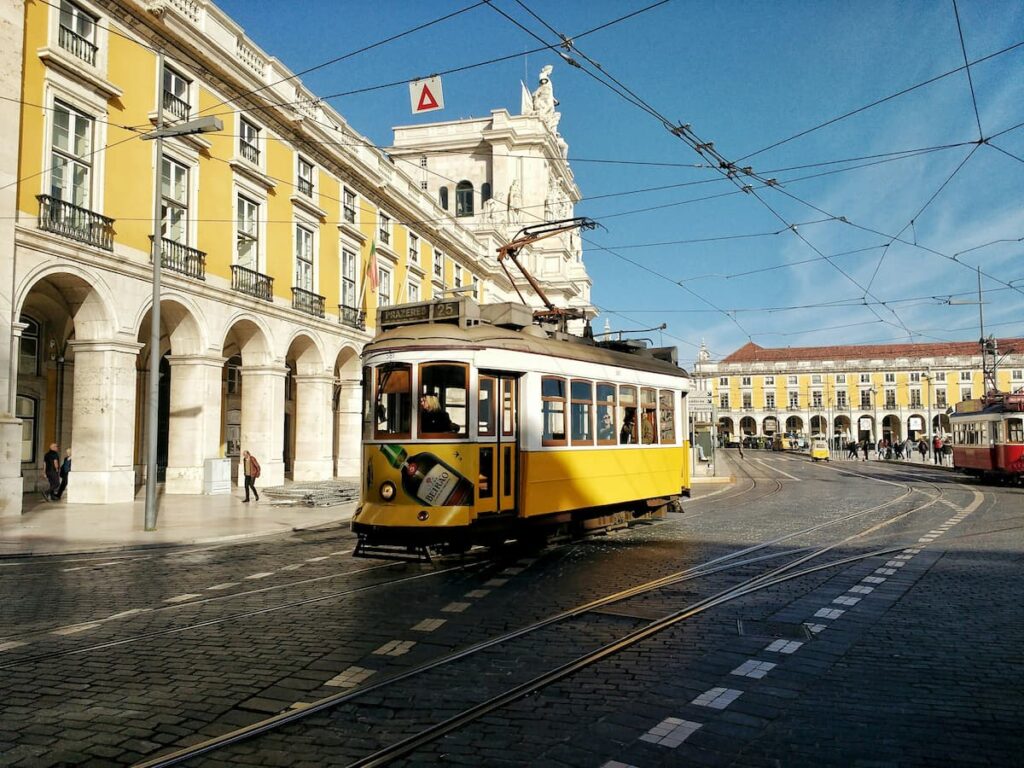
Portugal is one of Europe’s most naturally slow-paced countries. Compact, welcoming, and rich in regional identity, it makes settling into daily life effortless.
Historic towns like Évora, Sintra, and Coimbra reward unhurried exploration. Évora’s Roman ruins and golden plazas invite long afternoons in the sun.
Sintra’s palaces and forested hills feel best explored over several days. Coimbra, home to one of Europe’s oldest universities, offers riverside walks and soulful fado without big-city intensity.
The Alentejo region stands out for slow travellers. Rolling vineyards, cork forests, and whitewashed villages create a landscape shaped by long lunches and even longer conversations. Rural guesthouses and small wineries make it easy to disconnect.
Even Lisbon and Porto suit a slower rhythm. Vintage trams, neighbourhood cafés, and sweeping viewpoints encourage wandering rather than rushing. And beyond the resorts, the Algarve reveals fishing villages, quiet coves, and coastal trails perfect for lingering.
Portugal proves that slow travel Europe doesn’t require remote destinations — just the right mindset.
Official tourism inspiration: https://www.visitportugal.com
2. Italy
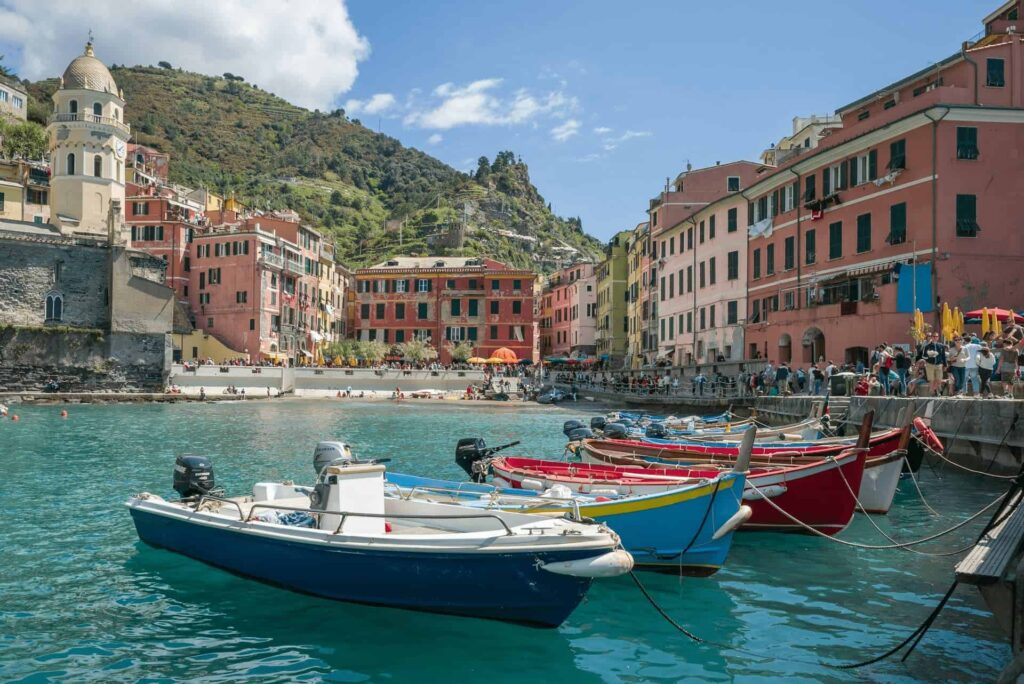
Italy feels tailor-made for slow travel. Daily life revolves around food, family, and tradition – not strict schedules.
While Rome and Venice draw crowds, smaller cities and rural regions capture Italy’s true pace. Orvieto’s hilltop lanes feel timeless. Matera’s cave dwellings reward thoughtful exploration. Bologna invites long market visits and even longer meals beneath its porticoes.
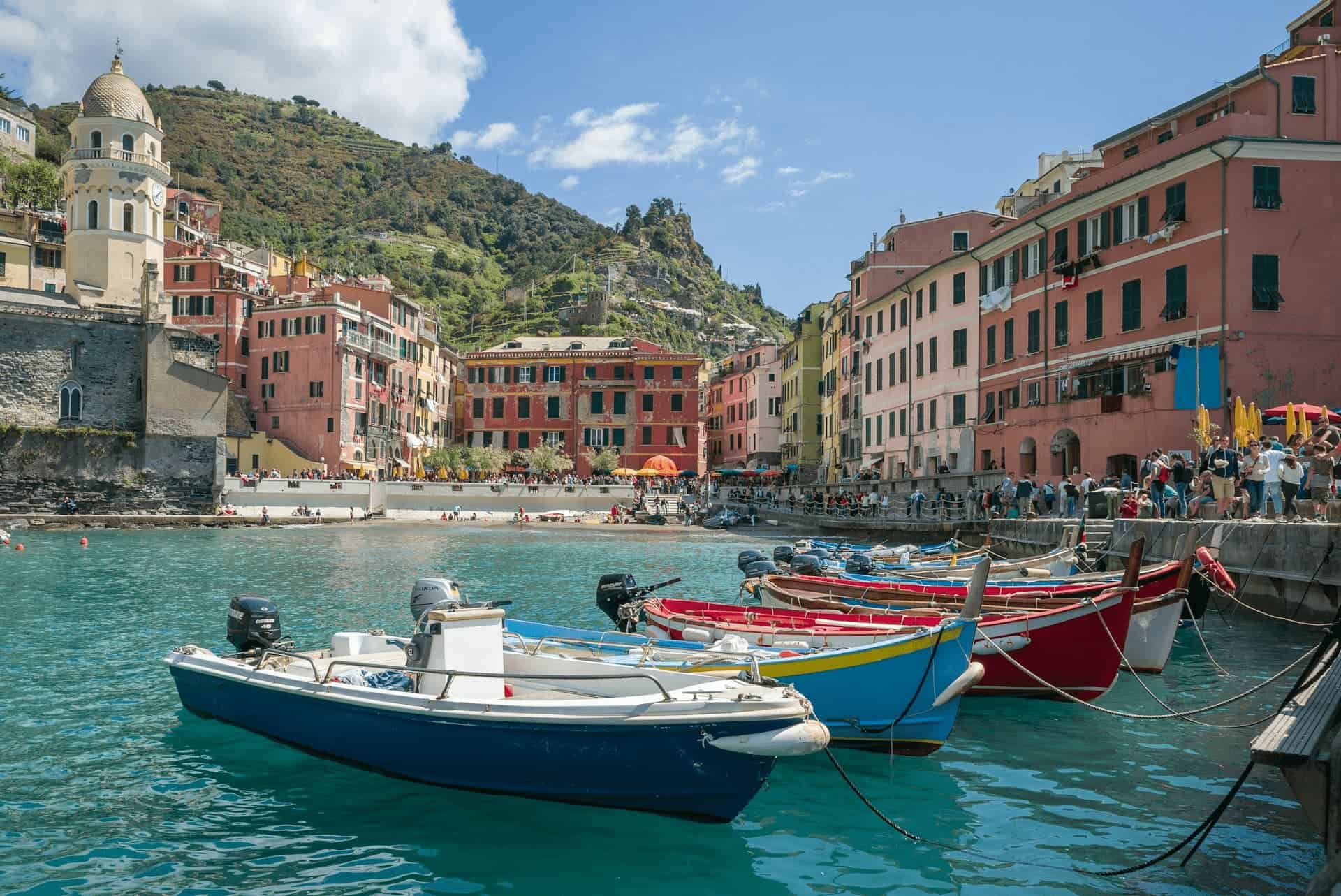
Italy’s landscapes naturally slow you down. The Cinque Terre villages are linked by scenic train and walking trails, encouraging you to move gradually along the coast. Along the Amalfi Coast, towns like Ravello feel best experienced at sunrise or after day-trippers depart.
In Tuscany, vineyard walks and agriturismo stays stretch afternoons into evenings. In the Dolomites, mountain huts and alpine trails create days shaped by scenery rather than schedules.
With an extensive rail network connecting nearly every corner of the country, Italy makes slow travel Europe seamless and sustainable.
Italy’s extensive rail network makes slow travel easy and sustainable: https://www.trenitalia.com
3. Slovenia
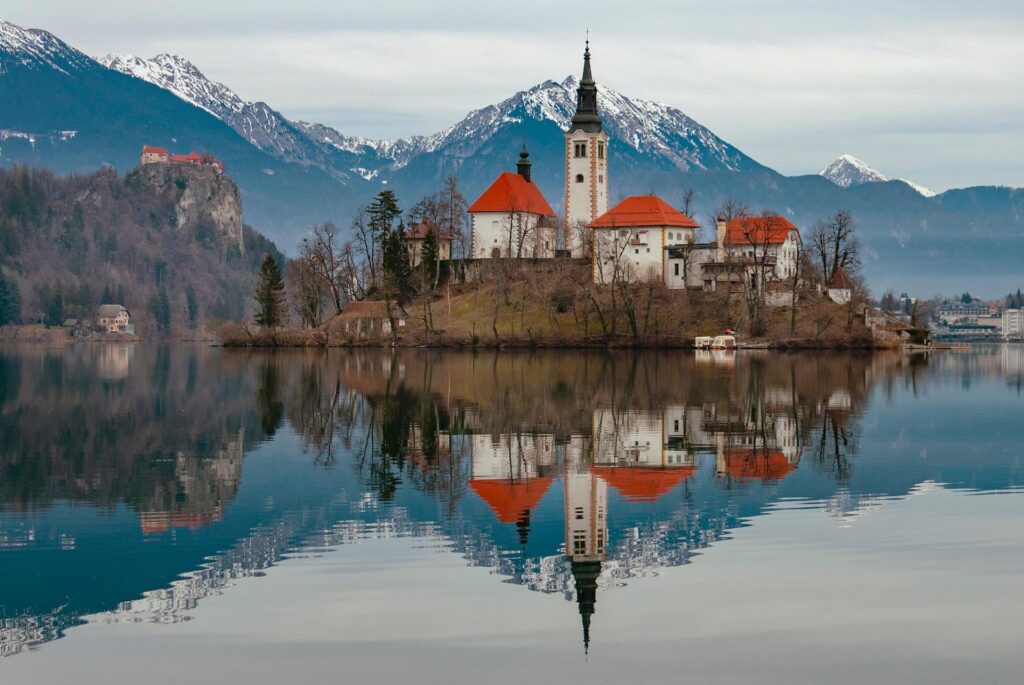
Slovenia may be small, but it delivers one of Europe’s most balanced slow travel experiences.
Ljubljana is among Europe’s most walkable capitals. Its largely car-free centre, riverside cafés, and open-air markets make lingering feel natural. Days unfold around conversation, coffee, and relaxed riverside strolls.
Beyond the capital, Slovenia’s landscapes shine. Lake Bled and Lake Bohinj offer peaceful walking paths, swimming spots, and rowing boats. Nearby Triglav National Park provides well-marked trails through forests, waterfalls, and the Julian Alps.
The country’s wine regions – including Vipava Valley and Goriška Brda – reflect a strong emphasis on sustainability and authenticity. Tastings are often hosted by families who farm the land themselves, with meals that stretch into the evening.
Slovenia feels intentionally designed for slow travel Europe – compact, scenic, and refreshingly uncrowded.
Slovenia’s sustainability efforts: https://www.slovenia.info
4. France
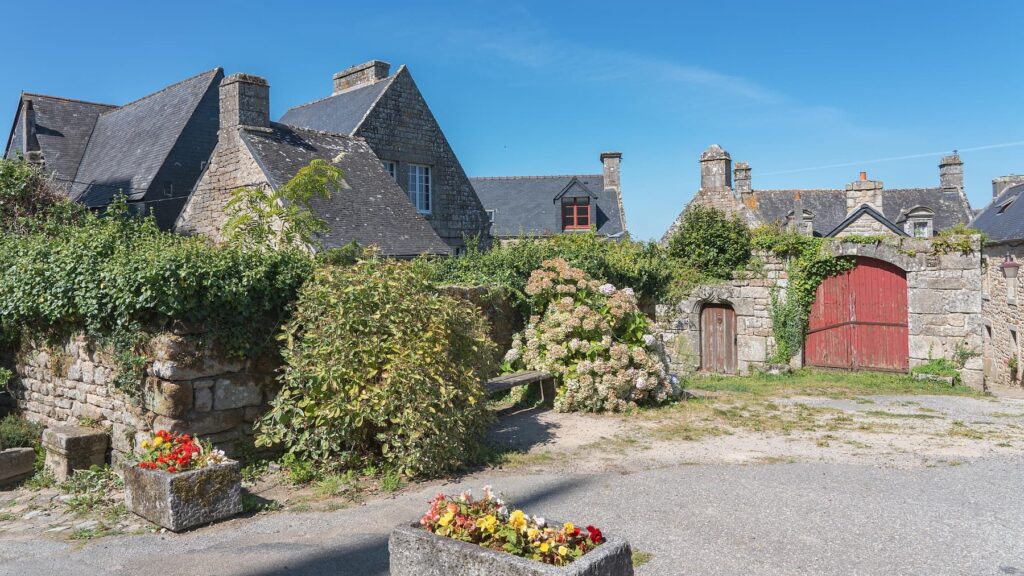
Few countries embody slow living like France. Regional identity runs deep, and leisure is woven into daily life.
Rather than rushing between Paris, Nice, and Bordeaux, slow travel in France means choosing one region and settling in.
Provence offers lavender fields, hilltop villages, and vineyard-lined backroads. The Loire Valley invites cycling between châteaux at an easy pace. Coastal Brittany delivers rugged landscapes and fishing villages shaped by tides rather than timetables.
The Dordogne stands out for canoeing gentle rivers, browsing weekly markets, and exploring medieval towns at your own rhythm. Its layered history rewards patience.
Café culture anchors the French approach to travel. From village squares to city boulevards, lingering over coffee or wine isn’t indulgent – it’s expected.
France reminds you that slowing down is not a compromise. It’s a lifestyle.
Explore regional France: https://www.france.fr
5. Greece
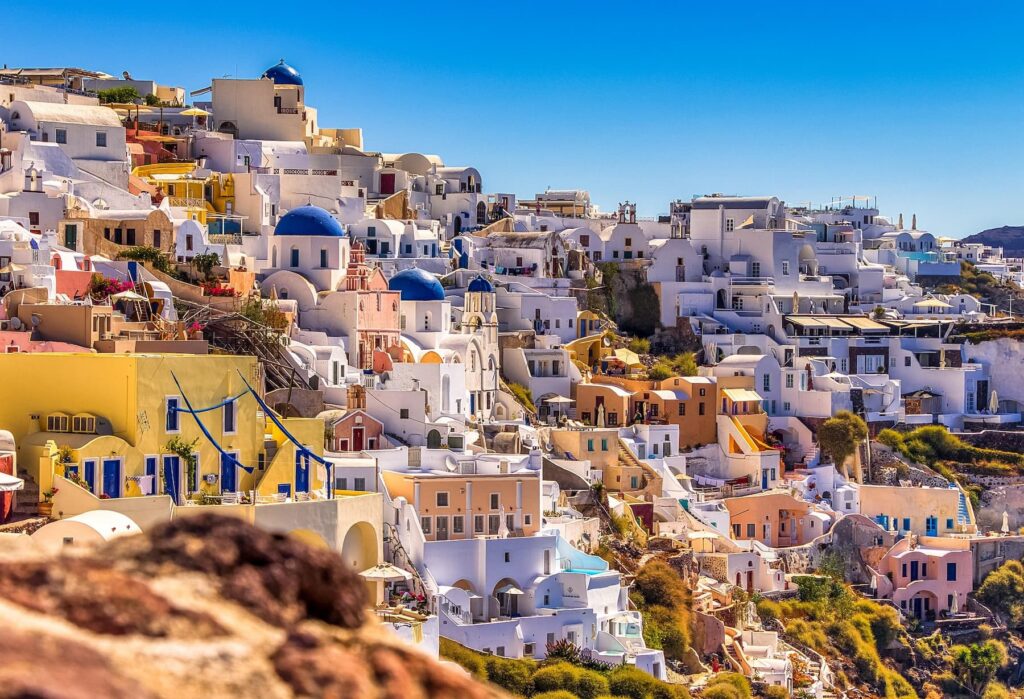
Greece invites you to slow down without even trying.
Across both islands and mainland, life moves at a pace shaped by sunlight, sea, and conversation.
Islands like Naxos, Milos, Hydra, and Santorini each offer distinct rhythms. Quiet beaches, whitewashed villages, and seaside tavernas create days centred on swimming, walking, and long evening meals.
On the mainland, Meteora’s cliff-top monasteries offer stillness and reflection. The Peloponnese blends ancient ruins with olive groves and sleepy coastal towns. Zagori’s stone villages and mountain trails feel wonderfully removed from hurried tourism.
Food anchors slow travel in Greece. Meals are social, generous, and rarely rushed. Time stretches comfortably here.
In Greece, slow travel Europe feels instinctive rather than intentional.
Official travel site: https://www.visitgreece.gr
6. Switzerland
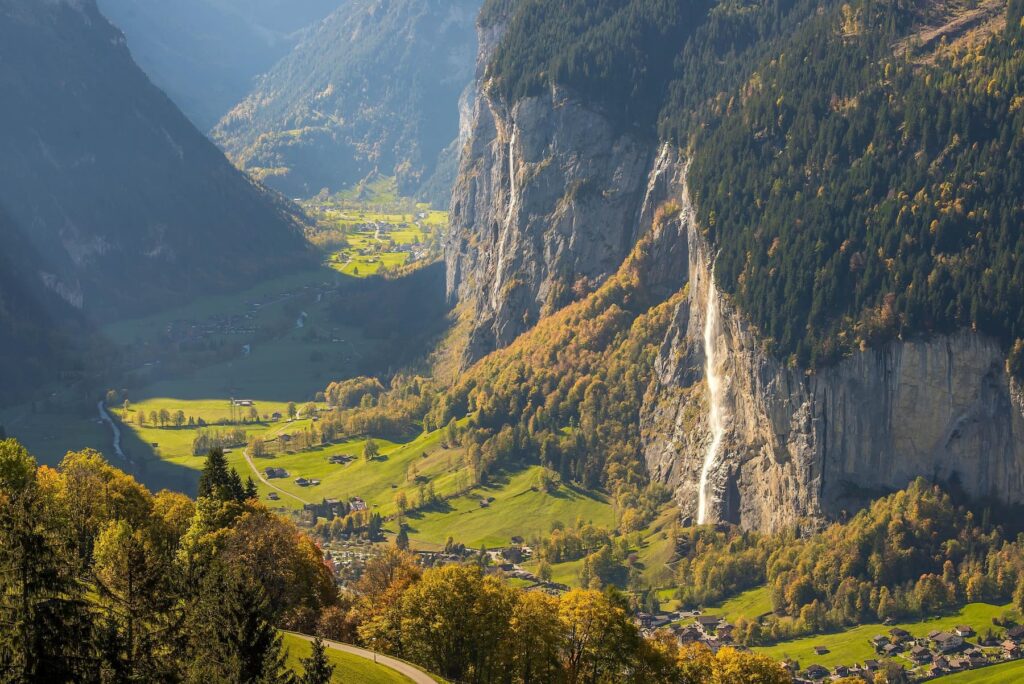
Switzerland may be known for efficiency, but it is one of the finest countries for slow travel Europe.
Few places make the journey itself so memorable. Scenic train routes glide past alpine lakes, waterfalls, and snow-capped peaks, turning simple transfers into highlights.
The Jungfrau region is particularly suited to slow travellers. Car-free villages like Wengen and Mürren invite walking everywhere. Days unfold through gentle hikes, long café stops, and constantly shifting mountain views.
Lucerne blends lakeside calm with historic charm. Interlaken works well as a base for valley exploration. In Zermatt, beneath the Matterhorn, mountain life sets the rhythm.
Switzerland’s integrated rail system connects even remote valleys, making it easy to design a linear, scenic journey without stress or rushed logistics.
For travellers who prioritise landscapes, sustainability, and seamless train travel, Switzerland may be the ultimate slow travel destination.
Official travel site: https://www.myswitzerland.com
Other Slow Travel Destinations
Beyond my top six, many other European destinations reward slower exploration.
Croatia’s Dalmatian Coast offers quiet islands like Vis alongside historic towns such as Rovinj in Istria.
Scotland’s Highlands and islands provide dramatic landscapes and welcoming pubs perfect for lingering. Spain’s Basque Country and Andalucía offer coastal walks, whitewashed villages, and tapas culture designed for unhurried evenings.
Norway’s fjords, deep forests, and remote villages create space for reflection and immersion in nature.
Slow travel Europe isn’t limited to one region – it’s a mindset you can apply almost anywhere.
Scenic rail inspiration: https://www.seat61.com
Slow Travel Europe FAQs
What is slow travel?
Slow travel focuses on cultural immersion, longer stays, and meaningful experiences rather than rushed sightseeing.
How long should a slow travel trip last?
Anywhere from a few weeks to several months, depending on how deeply you want to explore.
Who is slow travel for?
Digital nomads, retirees, outdoor lovers, food enthusiasts, and anyone seeking a calmer way to travel.
My Final Thoughts
Slow travel Europe is about embracing the space between landmarks.
It’s wandering without urgency.
It’s staying long enough to recognise the café owner.
It’s choosing depth over distance.
When you travel this way, Europe feels less like a checklist – and more like a lived experience.
And those are the journeys that stay with you long after you return home.