Why Switzerland’s Jungfrau Region Is Perfect for Slow Travel
The Jungfrau Region in Switzerland’s Bernese Oberland is where the journey becomes the destination. From scenic mountain railways to peaceful alpine hikes in Wengen, Lauterbrunnen, and Grindelwald, this guide explores how to experience the Swiss Alps through slow travel.
The Jungfrau Region in Switzerland’s Bernese Oberland is one of the best places in Europe to experience slow travel properly.
Instead of rushing in for a day trip to Jungfraujoch and leaving again, this is a region that rewards you for staying longer – travelling by mountain railway, hiking between villages, and lingering in car-free alpine towns like Wengen and Mürren.
Stretching south of Interlaken across the Lauterbrunnen and Grindelwald valleys, the Jungfrau Region is defined by three legendary peaks – Eiger, Mönch, and Jungfrau – dramatic waterfalls, glacier views, and one of the most scenic rail networks in the world.
If you’re planning a trip, here’s how to experience the Jungfrau Region slowly – and why it’s worth it.
Why the Jungfrau Is Perfect for Slow Travel
Slow travel is about depth over speed. And Switzerland – with its precise train system, car-free villages and interconnected hiking trails – makes it easy.
In the Jungfrau Region, travel itself becomes the experience:
- Scenic cogwheel trains climbing through mountains
- Cable cars floating above waterfalls
- Multi-day hiking routes linking alpine villages
- Long lunches with glacier views
- No cars in places like Wengen and Mürren
Many visitors rush in for the “Top of Europe” photo. But staying 3–5 nights transforms the experience entirely.
What areas make up the Jungfrau
The Jungfrau region is a patchwork of picturesque towns, alpine villages, and dramatic mountain landscapes, each offering a unique way to experience the Swiss Alps.
At its northern edge sits Interlaken, often considered the region’s gateway.
Nestled between Lake Thun and Lake Brienz, this lively town is a popular base for travellers, with excellent transport links to the surrounding mountains, adventure activities like paragliding, and scenic boat trips across the lakes.
Heading south, the landscape rises into the heart of the Jungfrau region.
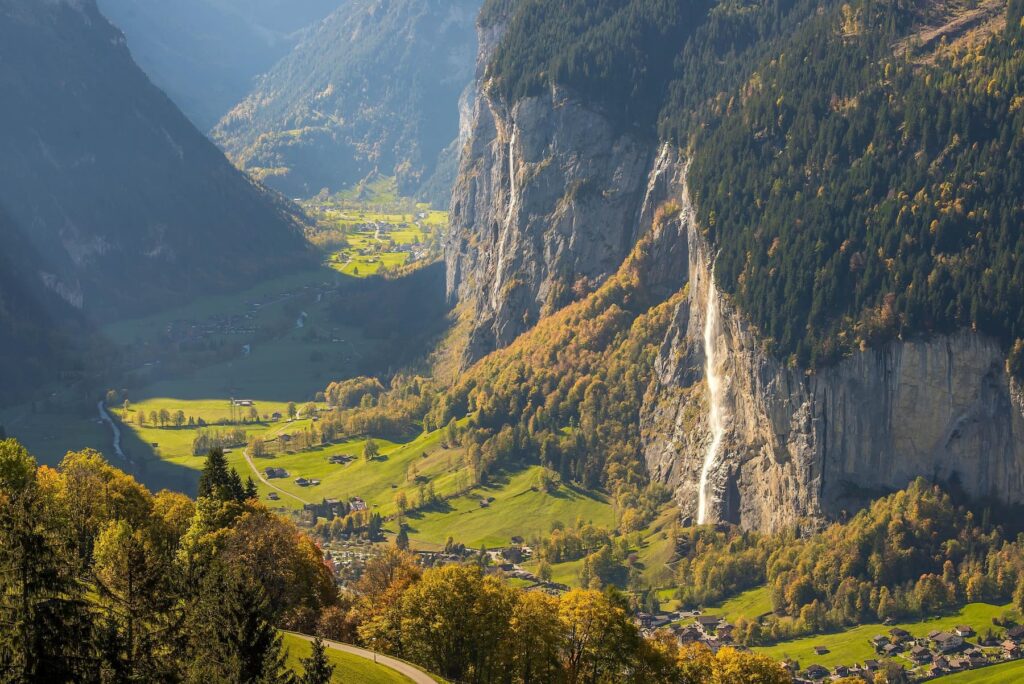
Lauterbrunnen, set in a striking U-shaped valley carved by glaciers, is framed by sheer cliffs and waterfalls, including the famous Staubbach Falls.
From here, mountain railways and cable cars whisk visitors to charming, car-free villages like Wengen and Mürren.
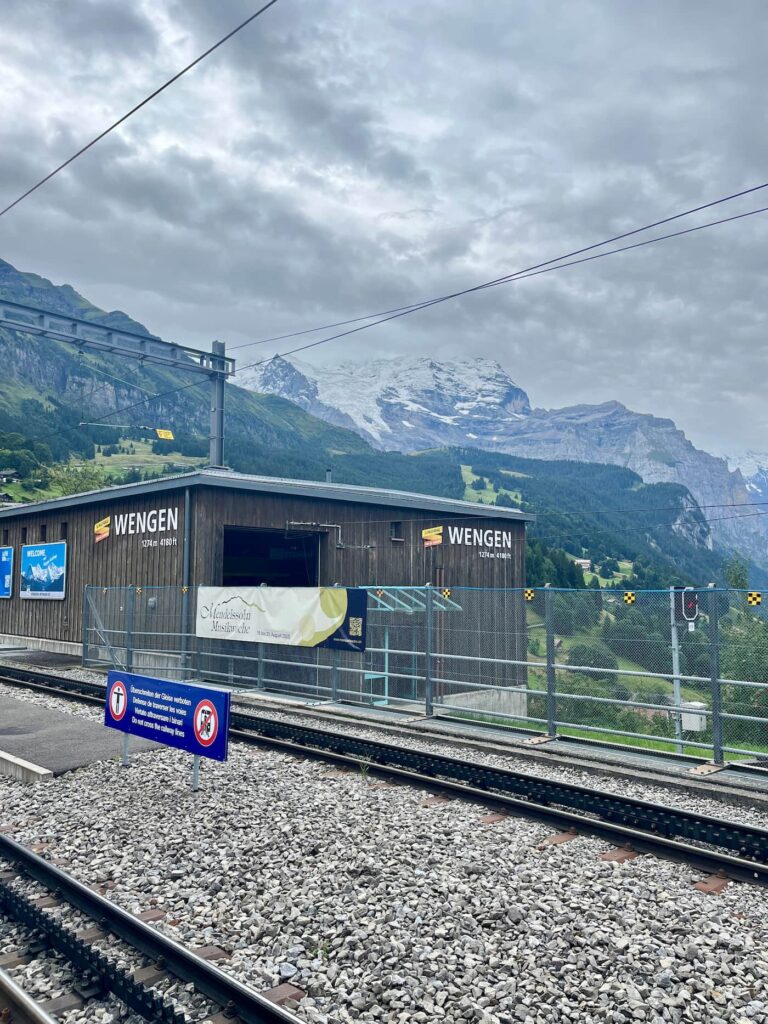
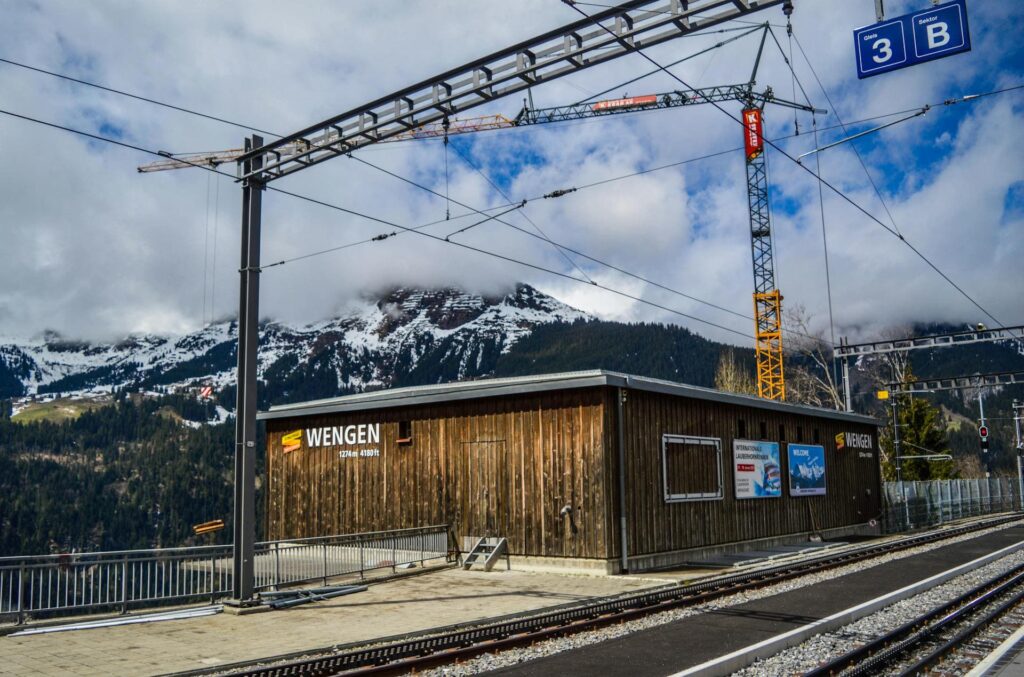
Perched high above the valley, Wengen is known for its traditional wooden chalets, stunning views of the Jungfrau massif, and the annual Lauberhorn ski races.
Mürren, clinging to a cliffside opposite Wengen, offers equally breathtaking vistas of the Eiger, Mönch, and Jungfrau peaks, with peaceful alpine trails in summer and ski slopes in winter.
A little further along, the lesser-known Gimmelwald provides a quieter, more rustic charm. This tiny mountain village is popular with hikers and nature enthusiasts for its unspoiled beauty and slower pace.
Meanwhile, just beyond lies Grindelwald, a bustling alpine village nestled beneath the dramatic north face of the Eiger.
Known for its outdoor activities, Grindelwald is a hub for hiking, skiing, and mountaineering, with direct access to the Jungfraujoch via the iconic mountain railway.
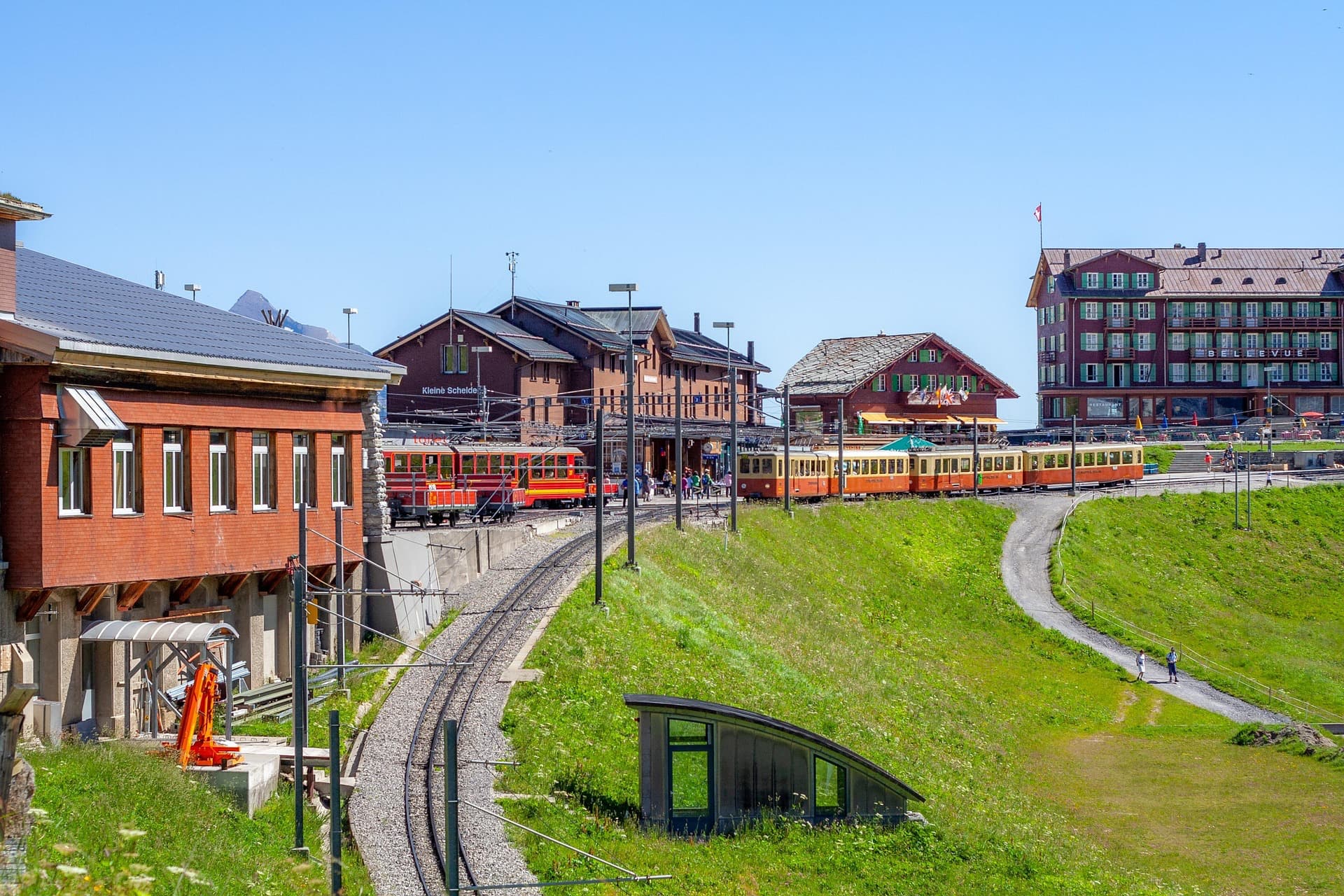
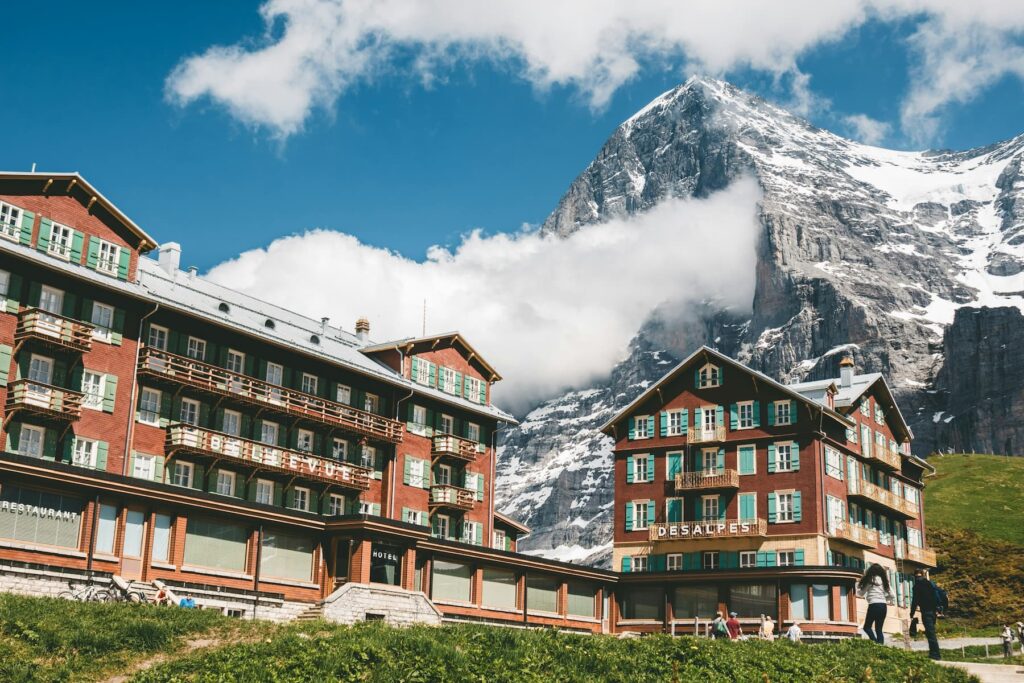
At higher altitudes, Kleine Scheidegg serves as a key mountain pass and railway junction.
While not a village in the traditional sense, it’s an essential stop on the journey to the Jungfraujoch, offering panoramic views of the Eiger’s towering north face and a true sense of being immersed in the Alps.
How to get to Jungfrau
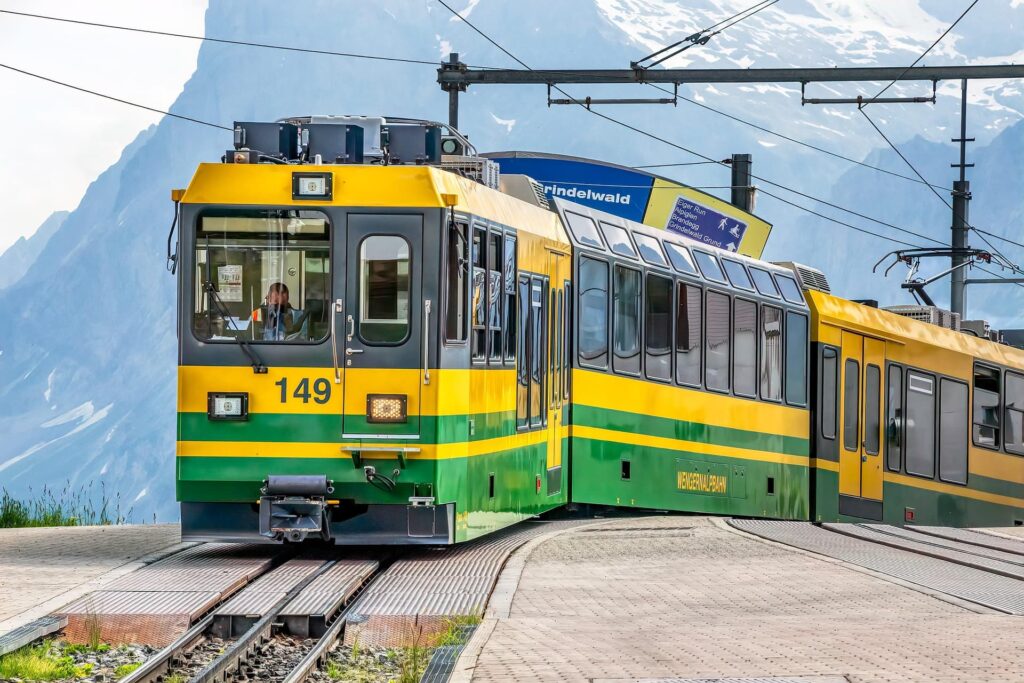
The most scenic and sustainable way to arrive is by train, thanks to Switzerland’s world-renowned rail network.
Starting from major European cities like Paris, Milan, or Munich, travellers can hop on high-speed trains such as the TGV Lyria or EuroCity, which connect seamlessly with Swiss domestic routes.
Once in Switzerland, the journey continues with the Bernese Oberland Railway (BOB) from Interlaken, branching towards iconic alpine villages like Grindelwald and Lauterbrunnen, where cogwheel trains and cable cars climb deeper into the mountains.
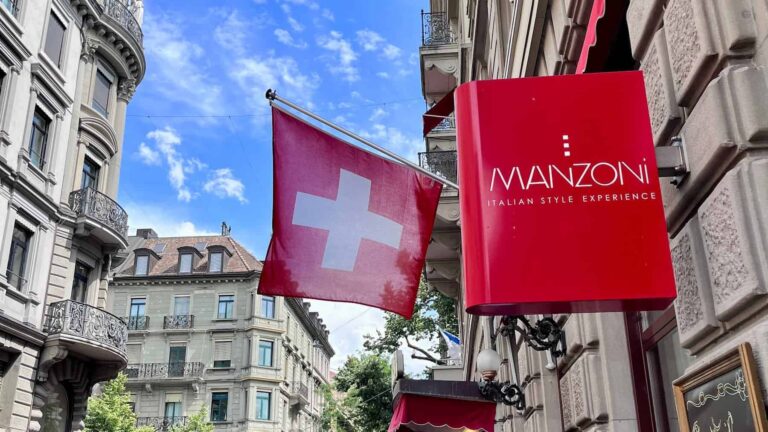
Top tip: If you’ve got Berner Overland Pass, check the area that it covers you for, as when I travelled from Zurich, I only had to buy a ticket to Bern and the pass covered the rest. And on my final day, the pass covered me as far as Domodossola on the Italian border.
While slow travel is ideal, some international visitors may have no option but to begin their journey by air, landing at airports in Zurich, Geneva, or Bern.
My Favourite 5 Things About Jungfrau
1. Visit the Jungfraujoch – “Top of Europe”
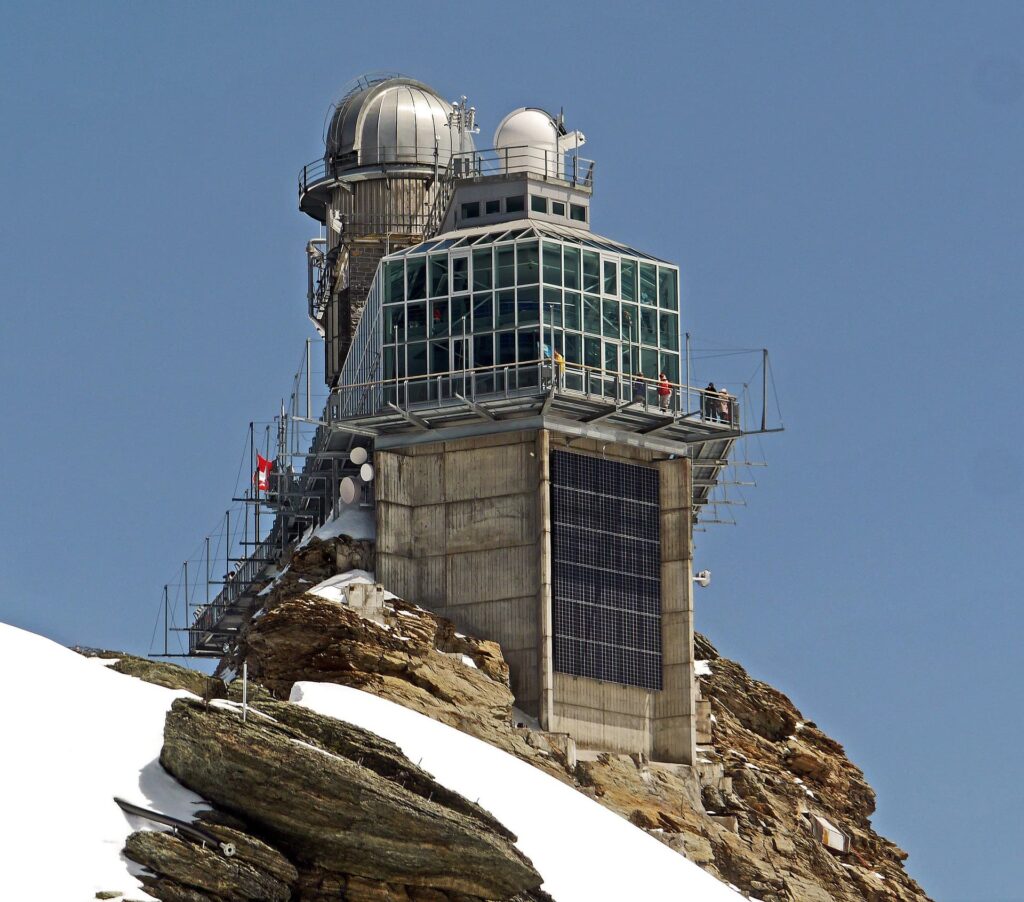
Reaching Jungfraujoch, the “Top of Europe,” is as spectacular as the summit itself.
The historic Jungfrau Railway climbs to Europe’s highest railway station at 3,454 metres, passing through tunnels carved inside the Eiger and Mönch.
At the top, sweeping views stretch across the vast Aletsch Glacier, the longest glacier in the Alps.
Explore the shimmering blue tunnels of the Ice Palace, then step onto the Sphinx Observatory viewing platform for panoramic views of snow-covered peaks in every direction.
2. Explore Lauterbrunnen Valley – Land of 72 Waterfalls
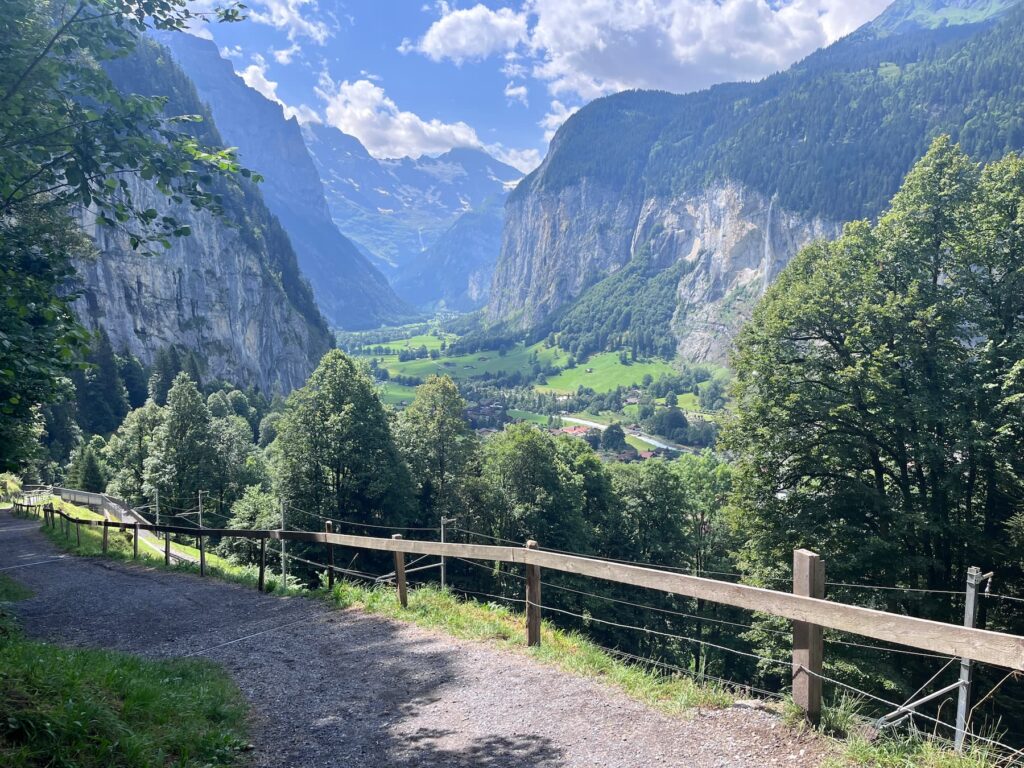
Lauterbrunnen Valley is one of Europe’s most Instagrammed spots, with towering cliffs, lush meadows, and stunning waterfalls.
The Staubbach Falls, one of the highest free-falling waterfalls in Europe, drops nearly 300 metres, creating a misty veil that glitters in the sun.
The Trümmelbach Falls are equally impressive, with glacier-fed waters thundering through tunnels inside the mountain, accessible via walkways and lifts.
The valley, with its dramatic scenery, inspired J.R.R. Tolkien’s vision of Middle-earth. Scenic trails connect the charming villages of Mürren and Wengen, offering breathtaking views at every turn.
3. Hike from Männlichen to Kleine Scheidegg
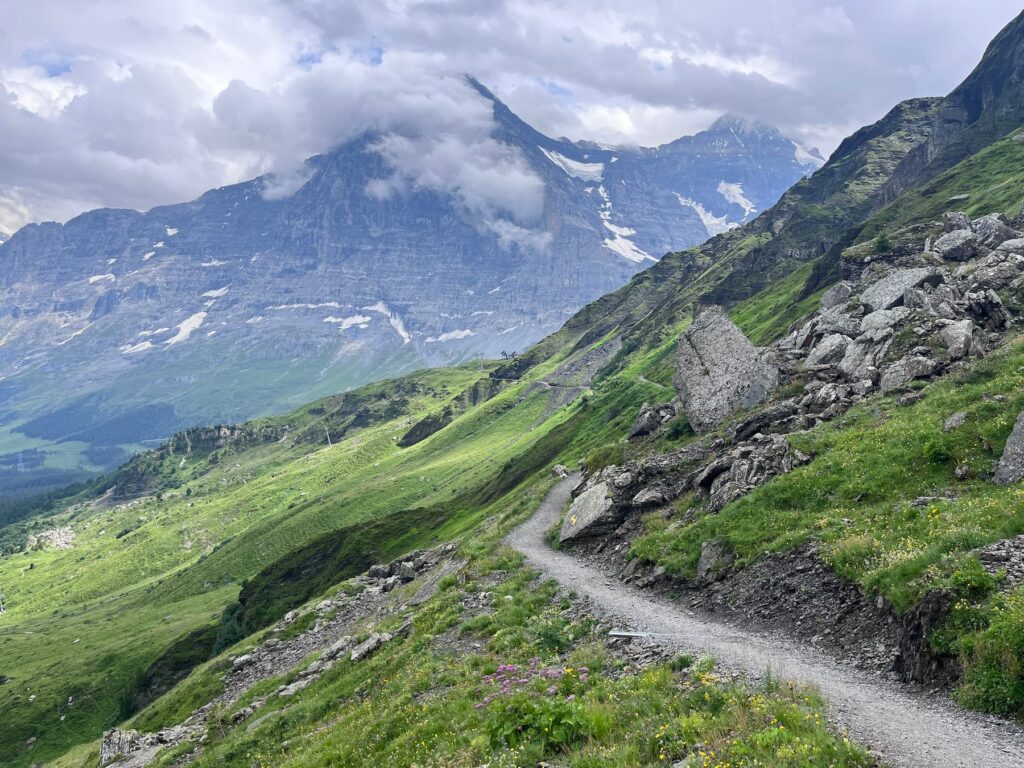
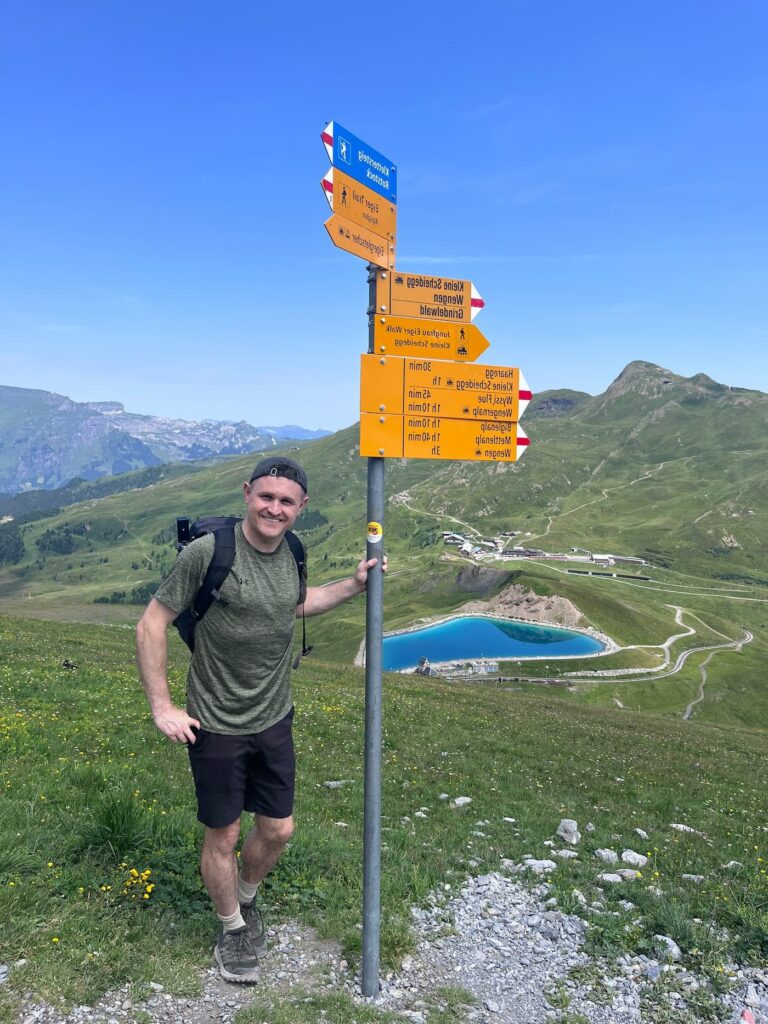
The Panorama Trail was the first walk I did after arriving in Wengen, and it set the tone for the rest of my trip.
I took the cable car from Wengen up to Männlichen, where the trail begins, and was immediately greeted by breathtaking views of the Eiger, Mönch, and Jungfrau peaks.
True to its name, the Panorama Trail offers postcard-perfect scenery the entire way.
The hike is easy and family-friendly, stretching about 4.5 km (2.8 miles) and mostly downhill, making it a relaxed way to start your trip.
I loved every moment of this Slow Travel in Switzerland moment – the sweeping mountain views, fresh mountain air, and the peacefulness of the trail made it an unforgettable start to my Jungfrau adventure.
4. Ride the Schilthorn Cable Car
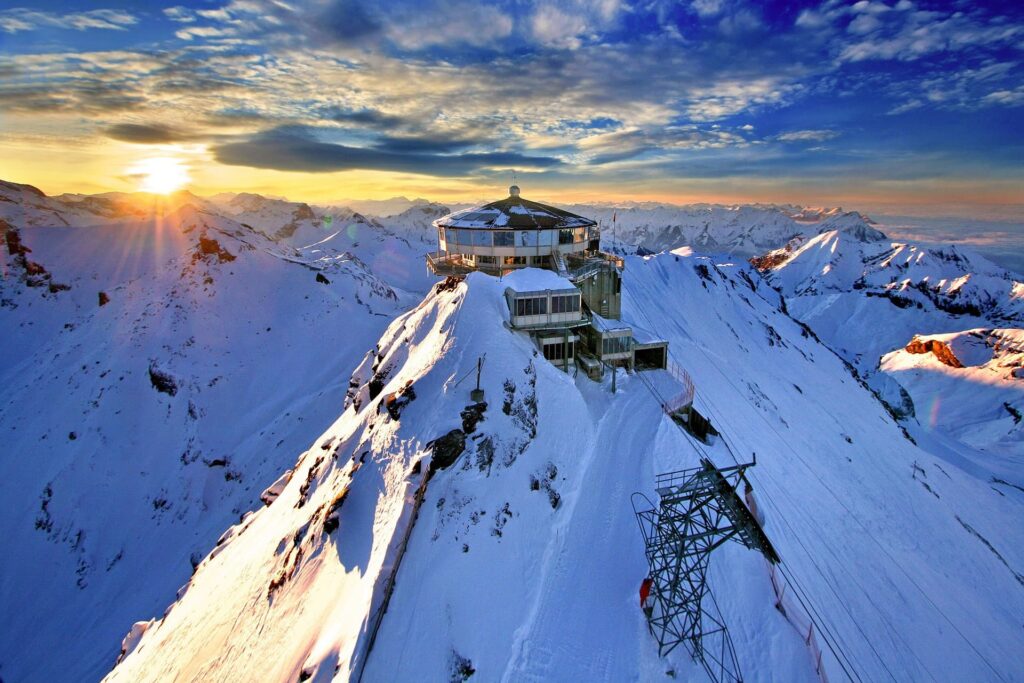
The Schilthorn, perched at 2,970 metres (9,744 ft), offers stunning 360° views of the Bernese Alps, with iconic peaks like the Eiger, Mönch, and Jungfrau dominating the horizon.
At the summit, you’ll find Piz Gloria, a revolving restaurant made famous by the James Bond film On Her Majesty’s Secret Service, where you can enjoy a meal as the landscape slowly shifts around you.
For Bond enthusiasts, the Bond World 007 exhibition showcases interactive displays and film memorabilia.
On the way up or down, don’t miss the Thrill Walk at Birg station – a steel walkway that clings dramatically to the cliffside, offering heart-racing views beneath your feet.
5. Adventure Activities in Grindelwald
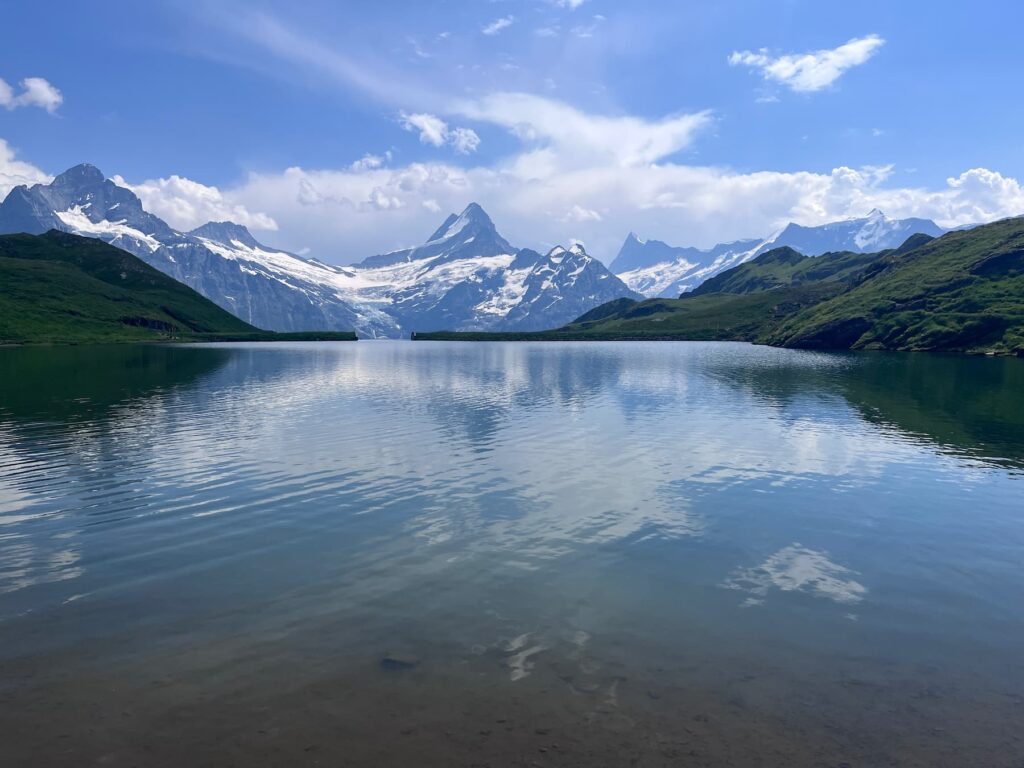
Grindelwald, often called the adventure capital of the Jungfrau region, offers a range of exhilarating activities, but one of my highlights was hiking to Bachalpsee Lake.
The trail to the lake provides stunning views of the surrounding peaks and leads to the crystal-clear waters of this high-altitude gem, where the mountains reflect perfectly in the surface.
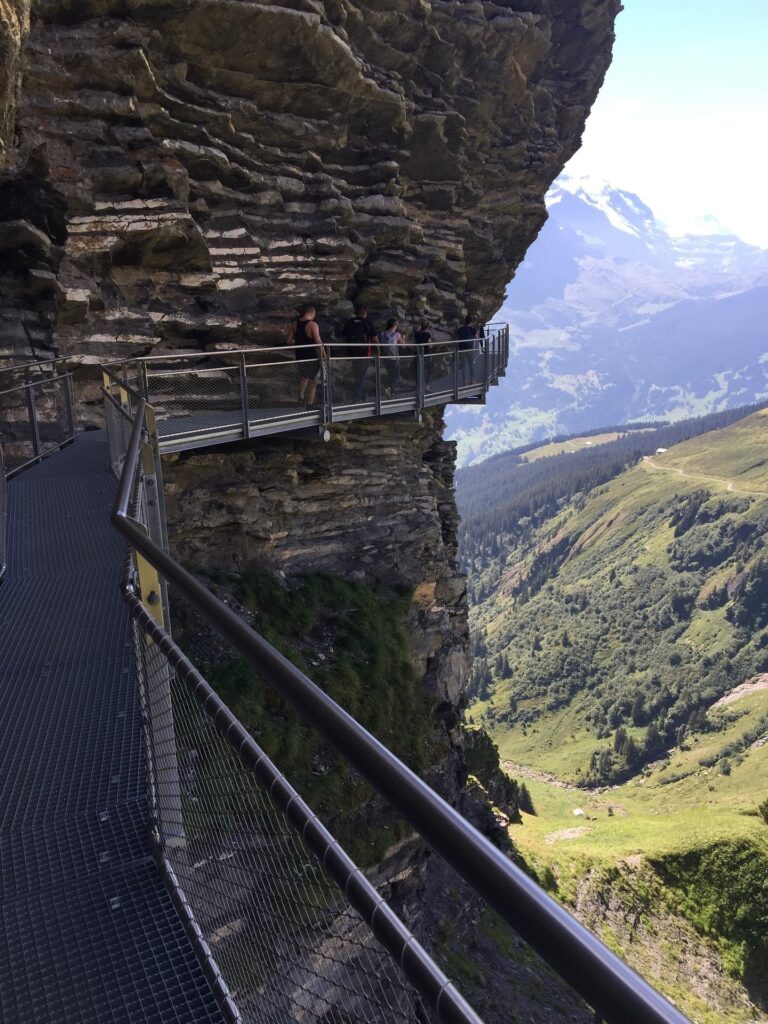
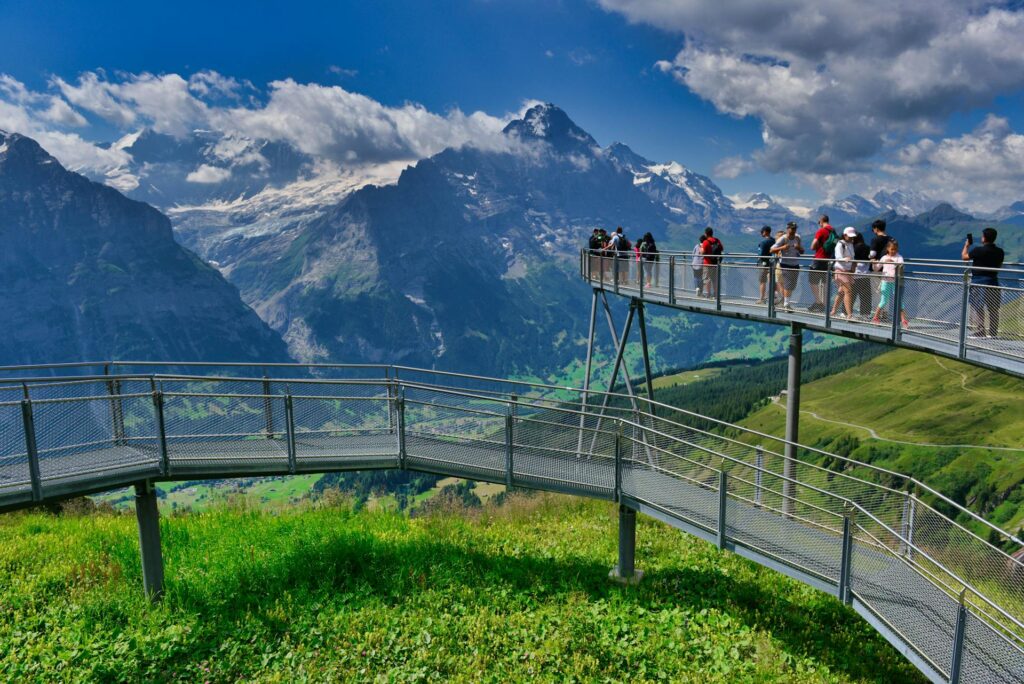
Grindelwald is also home to the First Cliff Walk, a suspension bridge that offers dramatic views and a thrilling sense of exposure.
For those seeking more adrenaline, Grindelwald has plenty of options, from paragliding to mountain carting and zip-lining on the First Flyer and First Glider.
Whether hiking or trying an adventure sport, the village has something for every thrill-seeker.
Jungfrau – winter vs summer
The Jungfrau region transforms dramatically with the seasons, offering distinct experiences in summer and winter. During the summer months (June to September), the landscape bursts into life with lush green meadows dotted with wildflowers, cascading waterfalls, and crystal-clear alpine lakes.
This is the prime season for hiking, with trails like the Männlichen to Kleine Scheidegg Panorama Trail and the path to Bachalpsee offering breathtaking views of the Eiger, Mönch, and Jungfrau peaks.
In contrast, winter (December to March) casts the region under a blanket of snow, turning it into a wonderland for snow sports enthusiasts. Resorts like Wengen, Grindelwald, and Mürren offer world-class skiing and snowboarding, with perfectly groomed pistes and stunning alpine backdrops.
The famous Lauberhorn Downhill in Wengen, part of the FIS World Cup, draws skiers and spectators alike for its thrilling course. Beyond the slopes, visitors can enjoy sledding, snowshoeing, and peaceful winter hikes through snow-covered forests.
Jungfrau FAQs
What does Jungfrau Region include?
The Jungfrau Region includes Grindelwald, Lauterbrunnen, Wengen, Mürren, and iconic peaks like Jungfrau, Eiger, and Mönch.
Is Interlaken in the Jungfrau Region?
No, Interlaken is just north of the Jungfrau Region but serves as a key gateway to the area.
What is the closest airport to the Jungfrau Region?
Zurich Airport is the closest major airport, with excellent train connections to Interlaken and the Jungfrau Region.
Where is the best view in the Jungfrau Region?
The Jungfraujoch offers stunning panoramic views of Aletsch Glacier, Eiger, Mönch, and Jungfrau peaks.
Which month is best for Jungfrau?
June to September for hiking and clear views; December to March for skiing and winter activities.
What is the closest town to the Jungfrau?
Wengen is the closest town, perched on the mountain slopes with direct views of the Jungfrau.
My Final Thoughts
I loved every minute that I spent in the Jungfrau region. I visited during the summer so my trip was mainly about exploring the towns and villages and spending hours on the km’s of hiking trails.
There was no shortage of things to do, and moving from one place to another was easier than you could imagine thanks to the regular, reliable and quick mountain railways and cable cars.
For me, this area completely defines what slow travel is about. Now to work out a way to come back and spend even longer here!