Slow Travel by Train in Europe: 5 Beautiful Rail Routes
Slow travel by train in Europe has completely changed how I explore the continent. In this guide, I share five of my favourite rail routes that reward you for slowing down, staying longer, and treating the journey as part of the adventure.
In a world obsessed with bucket lists and fast-paced getaways, slow travel by train in Europe offers something radically different – and, in my experience, far more rewarding.
For me, it’s about taking the scenic route, staying longer in fewer places, and treating the journey as part of the destination.
Since crossing much of Europe by train for the first time in 2023, slow travel has become my favourite way to explore the continent – and in this guide, I’ll show you why it might become yours too.
Unlike traditional tourism, which prioritises speed and ticking off must-sees, slow travel by train in Europe invites you to slow down, savour the journey, and dive deeper into each place you visit.
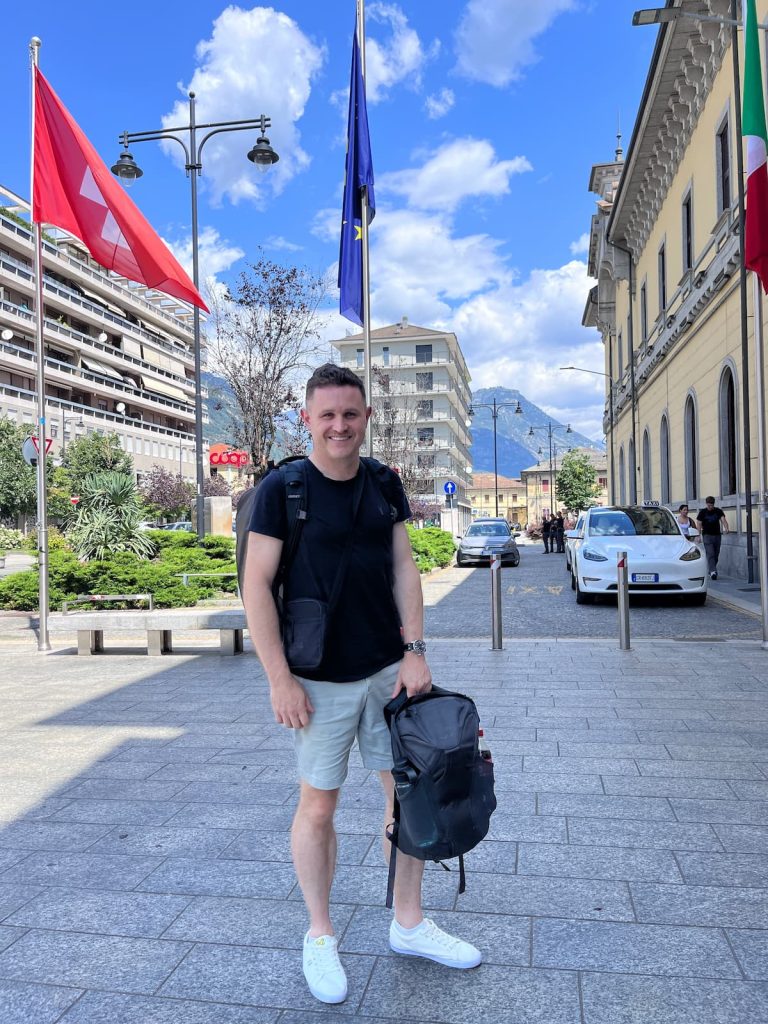
Why Train Travel Is Perfect for Slow Travel
Train travel naturally encourages a slower, more intentional pace – without needing months off or complex planning.
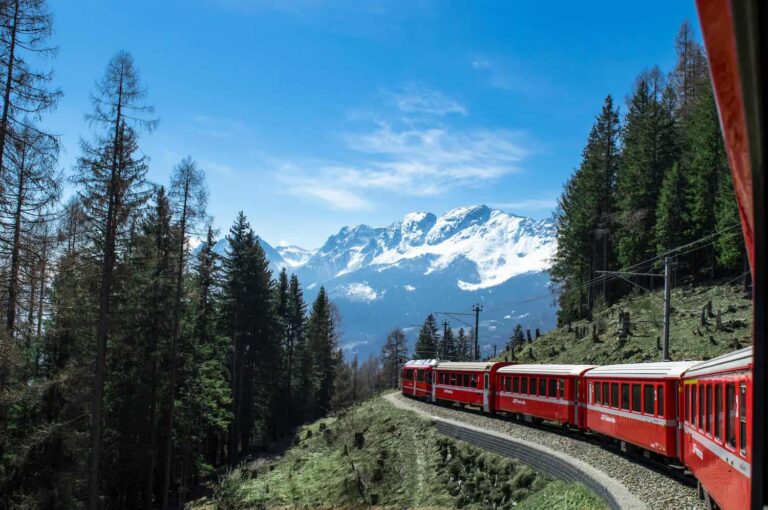
Unlike flying, trains let you see the changing landscape: cities fading into countryside, mountains rising, and borders blurring. These in-between moments often become the most memorable parts of slow travel.
For me, travelling across Europe by train was when slow travel truly clicked. Watching the world from the window made the journey as just as enjoyable as all the places we visited.
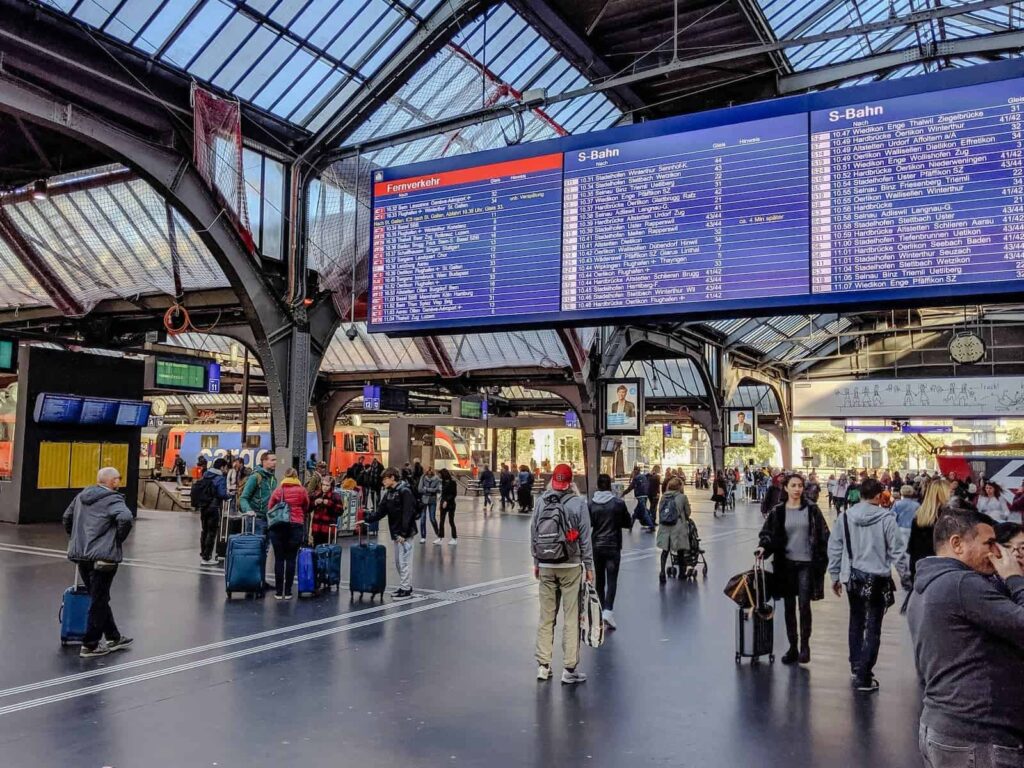
Plus, trains arrive right in the centre of the city, cutting out airport stress and making travel feel calmer overall.
Choosing trains over flights also significantly reduces your carbon footprint, aligning perfectly with slow travel’s focus on sustainability.
How to Plan a Slow Travel Train Route in Europe
Slow travel by train isn’t about covering as much ground as possible. It’s about creating a route that feels spacious rather than rushed.
Instead of hopping between cities daily, choose a small number of destinations and spend at least a few days in each. This gives you time to build routines, explore beyond the highlights, and experience everyday life.
Look at a map rather than a checklist. Routes that follow mountain ranges, rivers, or coastlines often make the most satisfying slow travel itineraries – and usually involve scenic train journeys as a bonus.
Linear routes work best for slow train travel in Europe. Travelling in one general direction keeps logistics simple and avoids unnecessary travel days that can break the rhythm of a slower trip.
5 Slow Travel Train Routes in Europe
These routes are ideal for slow travel because they combine excellent rail connections with destinations that encourage longer stays.
The Alps: Switzerland and Austria
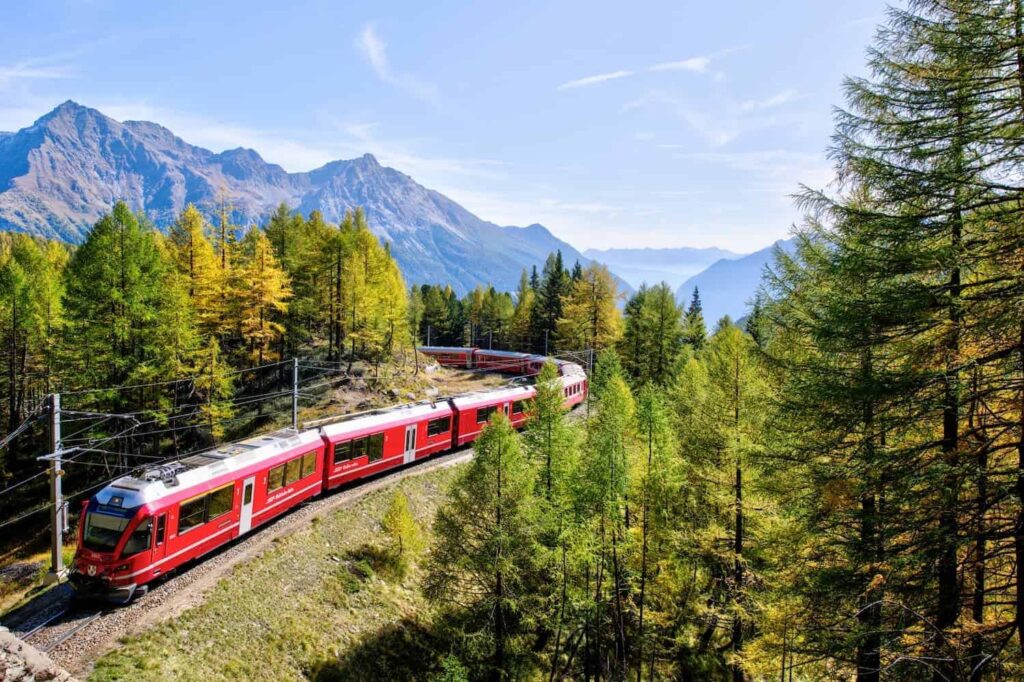
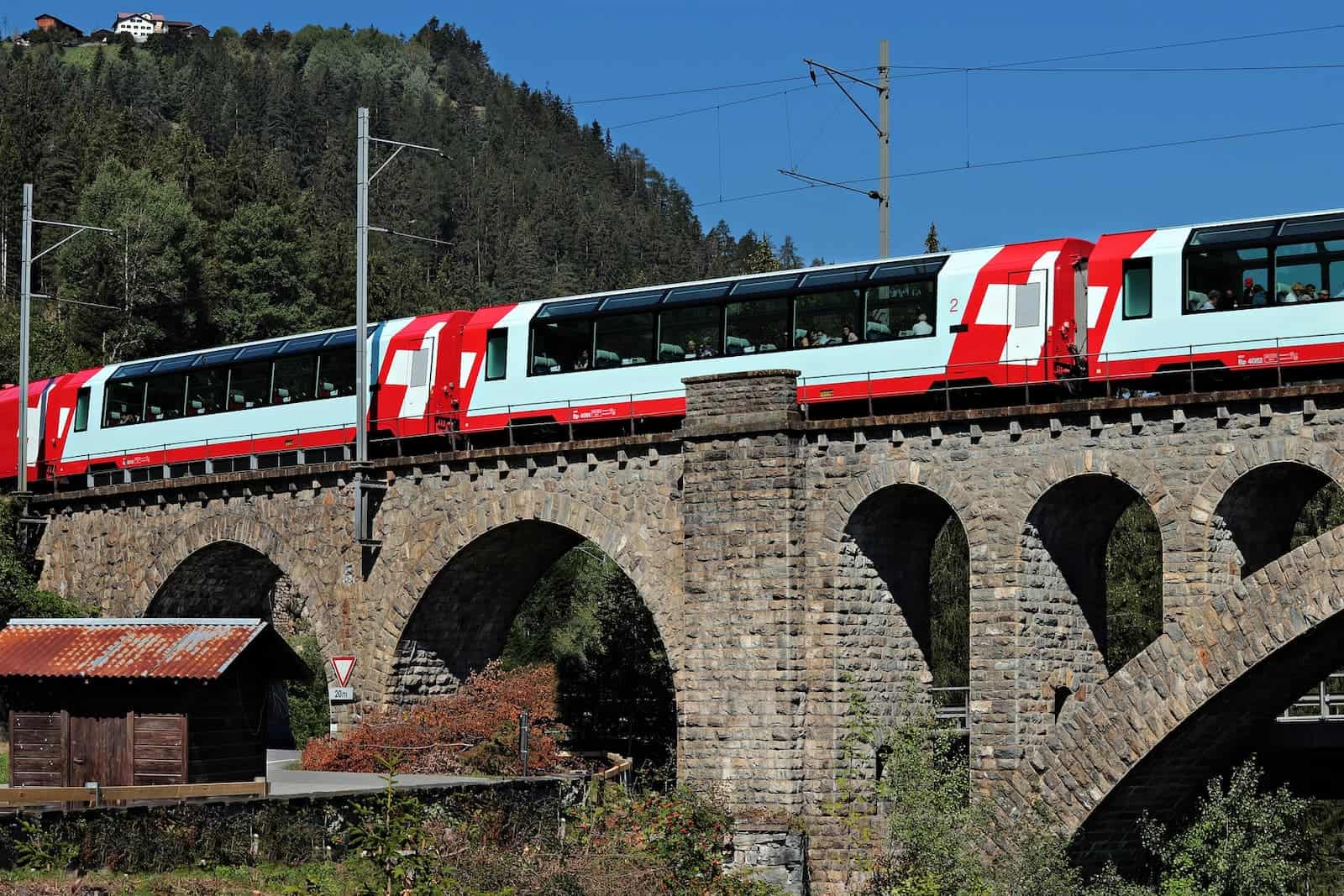
Travelling through the Alps by train is a slow travel experience in itself. Routes such as Lucerne to Interlaken, or Innsbruck to Salzburg, offer stunning mountain scenery, crystal-clear lakes, and charming alpine towns where lingering feels natural.
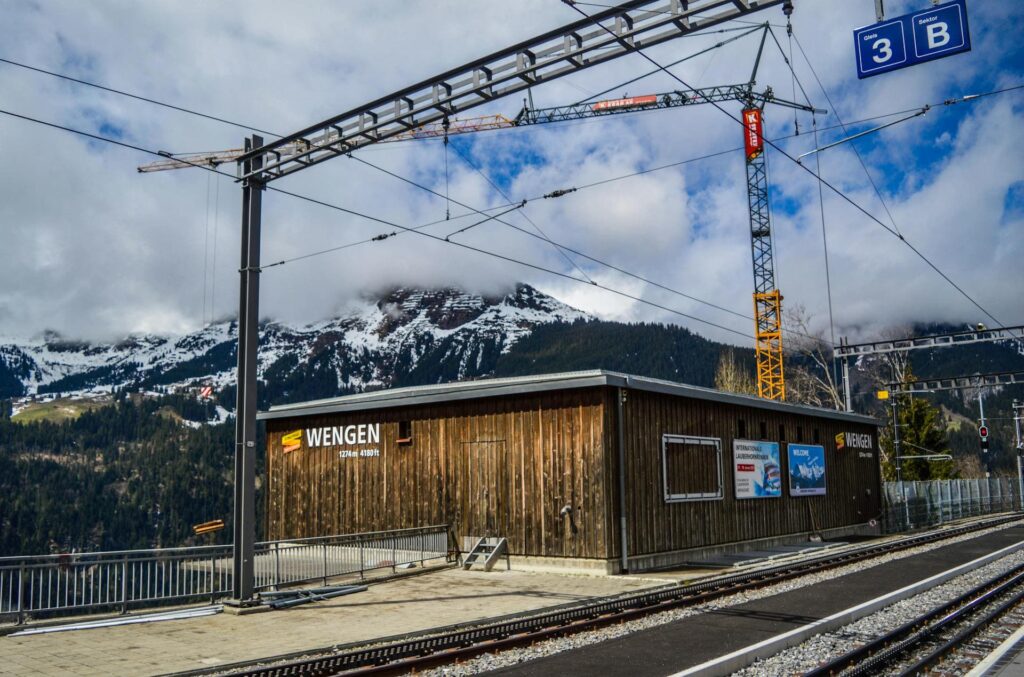
Small mountain villages like Wengen, Mürren, or Alpbach invite you to slow down completely. With no cars allowed in some spots, you can stroll the quiet streets, breathe fresh mountain air, and soak up the slower rhythms of life.
Hiking trails, cozy cafés, and local traditions make this an ideal region for travellers seeking both relaxation and adventure.
For train schedules and tickets, check out the Swiss Travel System and Austrian Federal Railways (ÖBB). To plan your visits, the Jungfrau Region Tourism site is an excellent resource.
Italy: North to South
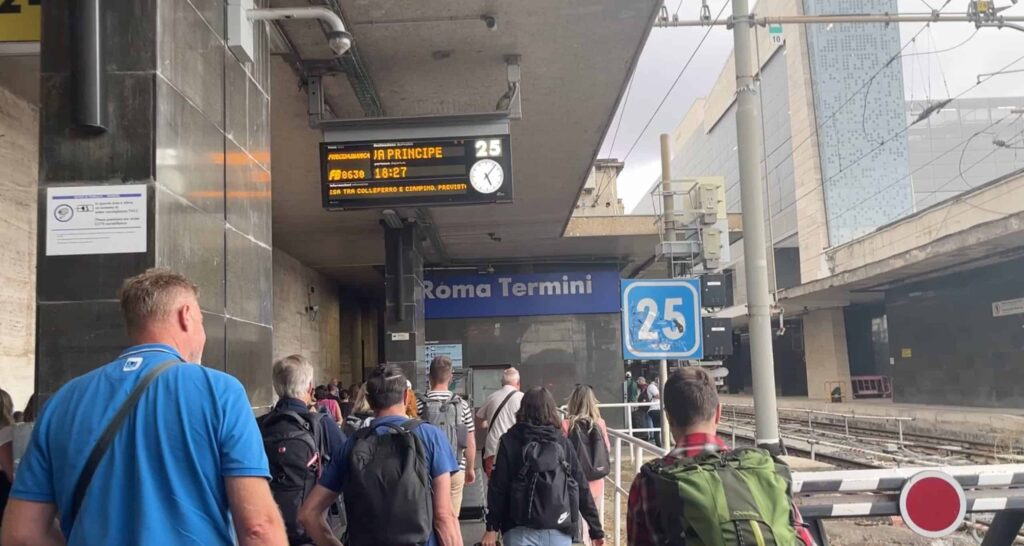
Italy’s diverse landscape and rich culture make it exceptionally well suited to slow travel by train. The country’s high-speed rail lines connect major cities efficiently, while regional trains provide access to smaller towns, vineyards, and stunning coastal villages.
A slower itinerary might include Milan’s vibrant design scene, the colorful cliffside villages of the Cinque Terre National Park, the art and history of Florence, and the timeless charm of Rome.
Spending ample time in each place allows you to explore local markets, enjoy authentic cuisine, and take day trips off the beaten path, rather than rushing through the usual tourist highlights.
For train booking and schedules, visit Trenitalia and the Italy Tourism Official Site.
France to Spain: Coastal and Cultural Routes
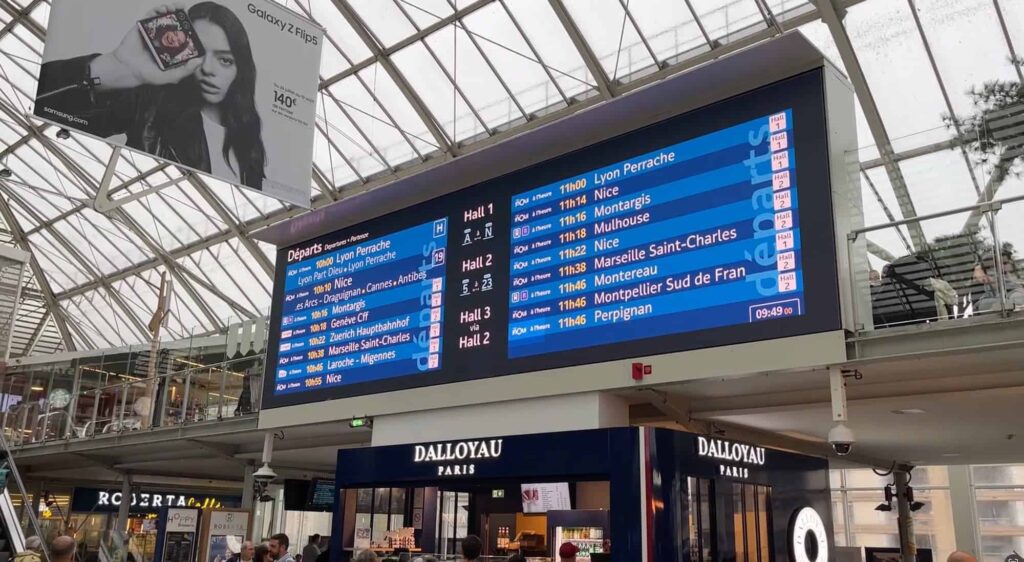
Traveling by train from southern France into Spain offers a beautiful blend of cultural discovery, breathtaking coastline, and culinary delights – all at a leisurely pace.
Rail connections link cities like Marseille, Montpellier, Barcelona, and Valencia, each with its own unique vibe. Slow travellers can spend days wandering narrow streets, sipping coffee in hidden cafés, and visiting local markets.
The coastal routes provide picturesque views of the Mediterranean Sea, making each journey as enjoyable as the destinations themselves.
For tickets and schedules, see the SNCF (French Railways) and Renfe (Spanish Railways) websites. For local insights, check out Barcelona Tourism.
The Scottish Highlands: Scenic and Serene
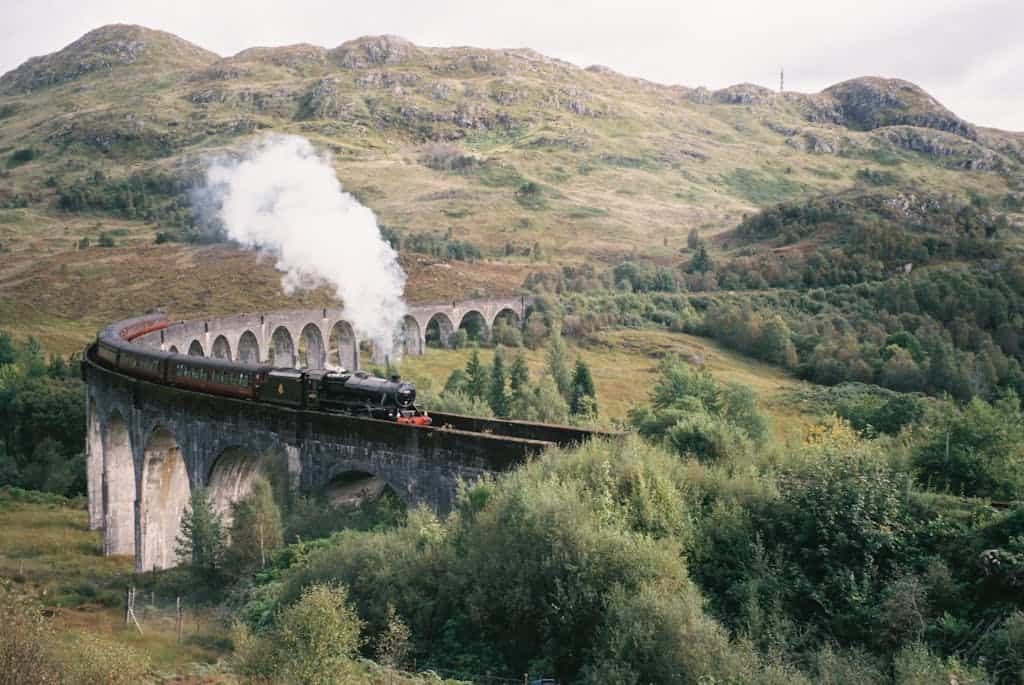
The Scottish Highlands offer some of Europe’s most dramatic and untouched landscapes, perfect for travellers who want to disconnect and immerse themselves in nature.
The West Highland Line – from Glasgow to Mallaig or Fort William – is famous for its winding route through rugged mountains, shimmering lochs, and historic castles.
Small stops like Oban or Pitlochry are ideal for lingering; here you’ll find welcoming pubs, artisanal shops, and plenty of outdoor activities such as hiking, cycling, or simply soaking in the peaceful surroundings.
This route perfectly embodies slow travel by offering time to connect deeply with both nature and local culture.
Check train times and tickets on the ScotRail site, and find travel inspiration on VisitScotland: Highlands.
The Baltic Capitals: History and Charm by Rail
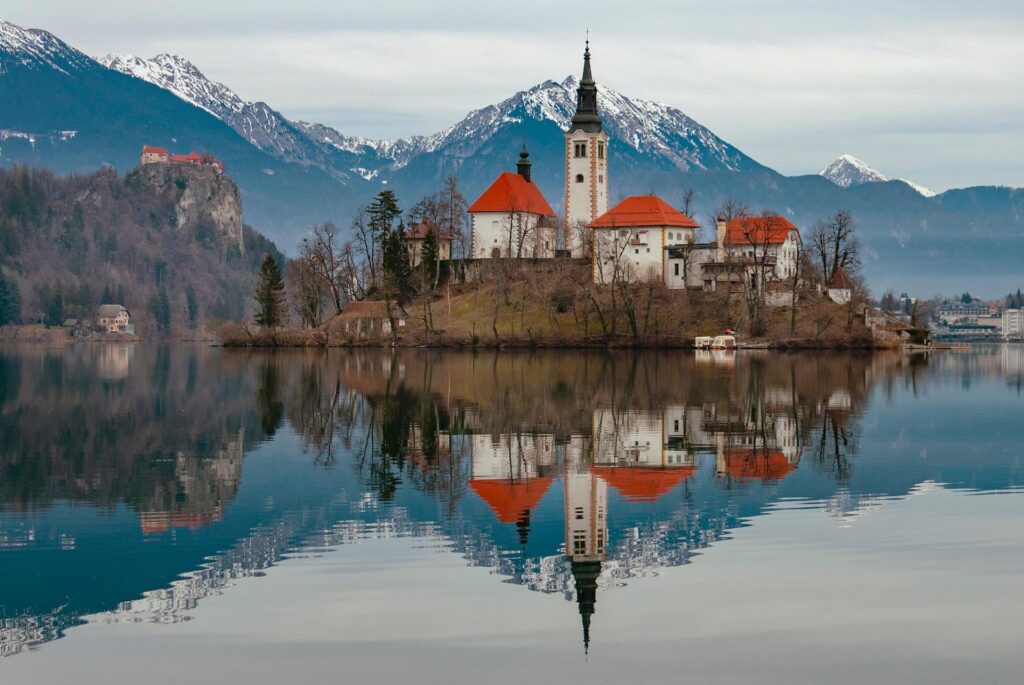
Slow travel through the Baltic capitals – Tallinn in Estonia, Riga in Latvia, and Vilnius in Lithuania – offers a rich tapestry of history, culture, and lesser-known European charm.
While the rail network here isn’t as fast or frequent as in Western Europe, this slower pace suits the region’s laid-back vibe perfectly. You can explore medieval old towns with their cobblestone streets, colorful architecture, and vibrant café culture.
Spending extra days in each city lets you discover hidden courtyards, local art scenes, and traditional festivals that many travellers miss on quick visits. It’s a great way to experience a part of Europe that feels both authentic and refreshingly off the beaten path.
For train info, visit Estonian Railways (Elron), Latvian Railways (LDZ), and Lithuanian Railways. To plan your city visits, check out the official tourism sites for Tallinn, Riga, and Vilnius.
Practical Tips for Slow Train Travel in Europe
Choose the Right Tickets
For slower, flexible travel, point-to-point tickets often work better than rail passes. They encourage commitment to fewer journeys and make it easier to plan around longer stays.
Rail passes such as Interrail or Eurail can still be useful if your route includes several long-distance journeys – especially when booked with intention rather than spontaneity.
Build in Rest Days
Slow travel isn’t just about moving slowly – it’s about resting too. Plan days with no transport at all, allowing space to wander, write, read, or simply be present.
Pack Light
Travelling by train is far more enjoyable with less luggage. A lighter bag makes station changes, walking cities, and spontaneous detours easier and less stressful.
Embrace Regional Trains
Regional and local trains often reveal far more character than high-speed routes. They’re slower, cheaper, and pass through places most travellers never see.
Slow Travel by Train in Europe FAQs
What is slow travel by train in Europe?
Slow travel by train in Europe means exploring the continent at a relaxed pace, spending more time in fewer places, and making the journey itself part of the experience. It focuses on deeper cultural connections, sustainability, and enjoying scenic routes.
Do I need a lot of time off work to travel slowly by train?
Not necessarily. Slow travel can fit into long weekends or extended trips alike. The key is choosing quality over quantity – spending more time in each destination rather than rushing through many.
How is train travel better for slow travel than flying?
Trains offer scenic journeys where the travel itself becomes part of the adventure. They usually arrive in city centres, reducing stress and transit times. Additionally, trains have a much lower carbon footprint compared to flights, supporting sustainable travel.
What are some of the best slow travel train routes in Europe?
Popular routes include the Swiss and Austrian Alps (e.g., Lucerne to Interlaken), Italy’s north-to-south line through Milan and the Cinque Terre, coastal routes from southern France to Spain, Scotland’s West Highland Line, and the Baltic capitals of Tallinn, Riga, and Vilnius.
How can I book train tickets for slow travel in Europe?
You can book tickets through national rail operators such as Swiss Travel System, Trenitalia, SNCF, Renfe, and others. Many offer flexible passes and regional tickets ideal for slow travel.
Is slow travel by train more expensive than flying?
Slow travel can be more economical by reducing the number of flights and expensive transfers. Staying longer in one place often lowers accommodation costs and encourages exploring budget-friendly local experiences.
Can slow travel by train be sustainable?
Yes! Train travel produces significantly fewer carbon emissions than flying, and slow travel encourages supporting local businesses and minimizing environmental impact, making it a much greener way to explore Europe.
My Final Thoughts
Travelling Europe by train has completely changed how I experience the continent.
By slowing down, staying longer, and allowing the journey to unfold naturally, travel becomes less about ticking boxes and more about meaningful moments – the kind that stay with you long after you return home.
If you’re looking for a more sustainable, enriching, and human way to explore Europe, slow travel by train is a powerful place to start.