What Is Slow Travel? A Guide to Slower Travel Across Europe
What is slow travel? For me, it’s about choosing depth over speed, staying longer in fewer places, and valuing the journey as much as the destination. Since crossing Europe by train in 2023, I’ve discovered that slowing down doesn’t mean seeing less – it means experiencing more.
In a world obsessed with bucket lists and fast-paced getaways, slow travel offers something radically different – and, in my experience, far more rewarding. But what is slow travel?
At its core, slow travel is about spending longer in fewer places, travelling more consciously, and valuing the journey as much as the destination.
For me, it means taking the scenic route, staying longer in each place, and allowing space for curiosity rather than rushing through a checklist.
Since travelling by train from London to Rome in 2023, slow travel has become my favourite way to explore the continent – and in this guide, I’ll show you why it might become yours too.
Unlike traditional tourism, which prioritises speed, quantity, and ticking off must-sees, slow travel is about depth, connection, and presence. It’s about making the journey part of the experience and going beyond the usual highlights.
That idea really clicked for me – as did the idea of creating The Slow Track – on a train journey from England to Rome in 2023.
Along the way, I stopped in Paris, Innsbruck, Salzburg, and the Cinque Terre – and I realised that the journey itself had become just as meaningful as the destination.
I found myself looking forward to the places in between, watching the world go by from a train window, and enjoying the rhythm of travel rather than racing through it.
In this guide, I’ll share what slow travel means (and doesn’t), why it’s gaining popularity, the key benefits it offers, and how you can embrace it yourself.
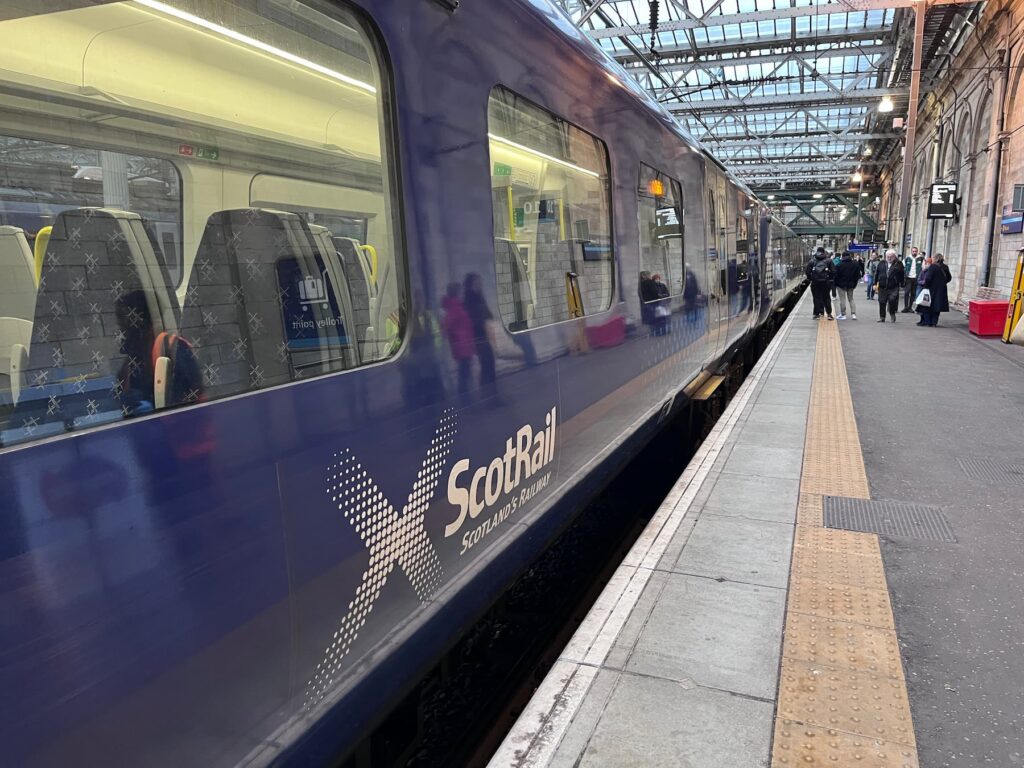
What Is Slow Travel?
So, what is slow travel exactly?
Slow travel is a mindful approach to travel that focuses on spending longer in fewer places, travelling more sustainably, and valuing the journey as much as the destination.
It prioritises depth over speed, encouraging a closer connection to the places you visit, the people who live there, and the journey in between. Instead of cramming in as much as possible, you slow down, savour the details, and leave room for spontaneous discoveries.
You don’t need months off work or a fully remote job to travel slowly. The slow travel approach works just as well for a long weekend as it does for an extended adventure. It’s about how you travel, not how long you’re away.
Choosing to explore Europe by train instead of flying, staying in locally run guesthouses, exploring on foot, and eating regional food all form part of the slow travel philosophy.
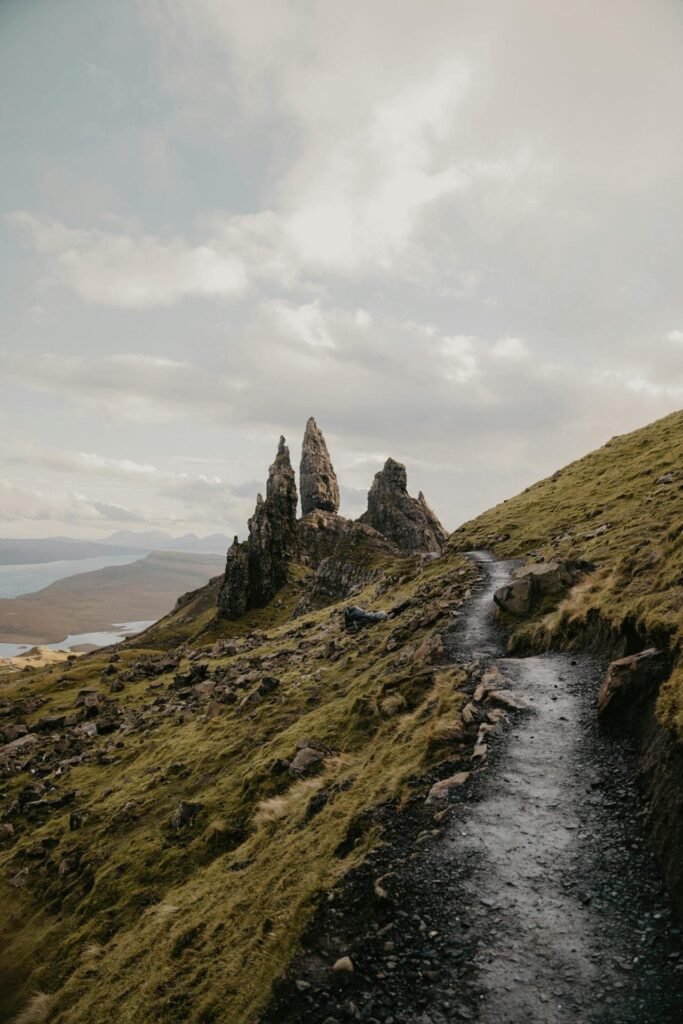
Why Slow Travel Is on the Rise
In the wake of the pandemic, many people began rethinking not just where they travel, but how and why. With the rise of remote work and a growing focus on wellbeing, slow travel has become increasingly popular.
According to the Hilton Trends Report 2025, 74% of travellers now want recommendations from locals when they travel – a clear sign that people are seeking deeper, more authentic experiences.
With the ability to work from anywhere, more travellers are choosing longer stays and building routines in new places – shopping at local markets, working from neighbourhood cafés, and attending community events.
At the same time, sustainability has moved higher up the global agenda. Slow travel offers a gentler alternative by encouraging trains over flights and local businesses over international chains, helping to reduce environmental impact.
5 Reasons to Try Slow Travel
1. Lower Your Carbon Footprint
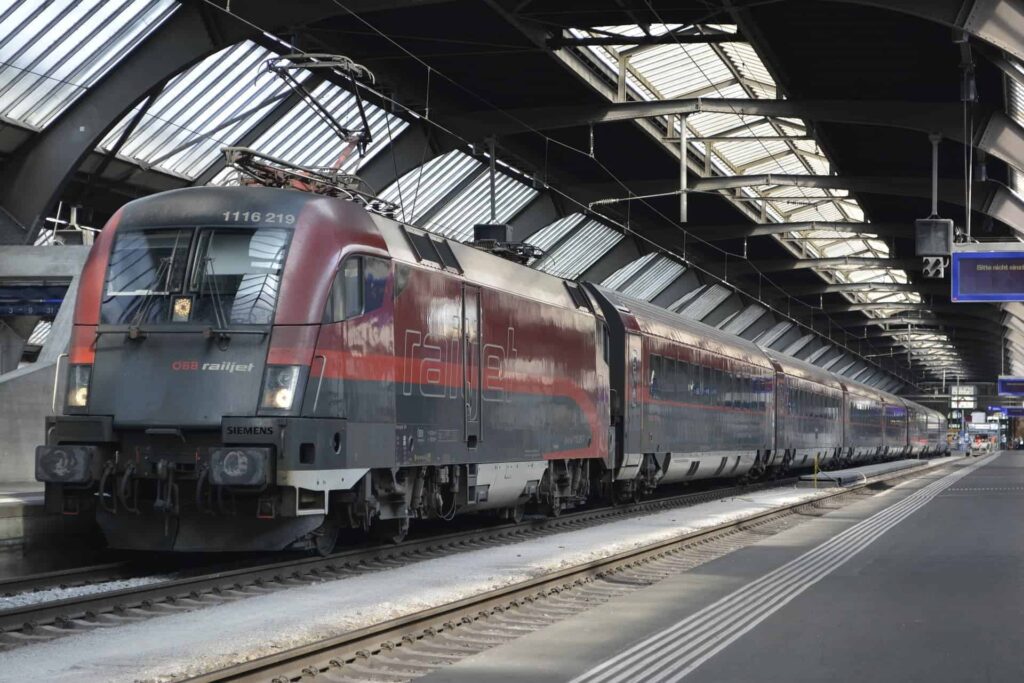
Frequent flights and high-impact tourism take a significant toll on the planet, contributing heavily to carbon emissions, pollution, and environmental damage.
Popular tourist destinations can also become overcrowded, placing pressure on local resources, wildlife, and communities.
By choosing trains, buses, or even walking and cycling, slow travellers can dramatically reduce their carbon emissions while enjoying a far more immersive experience.
Travelling at a slower pace allows people to appreciate changing landscapes, discover smaller towns, and connect more deeply with local cultures along the way rather than rushing between destinations.
2. Save Money While Travelling Smarter
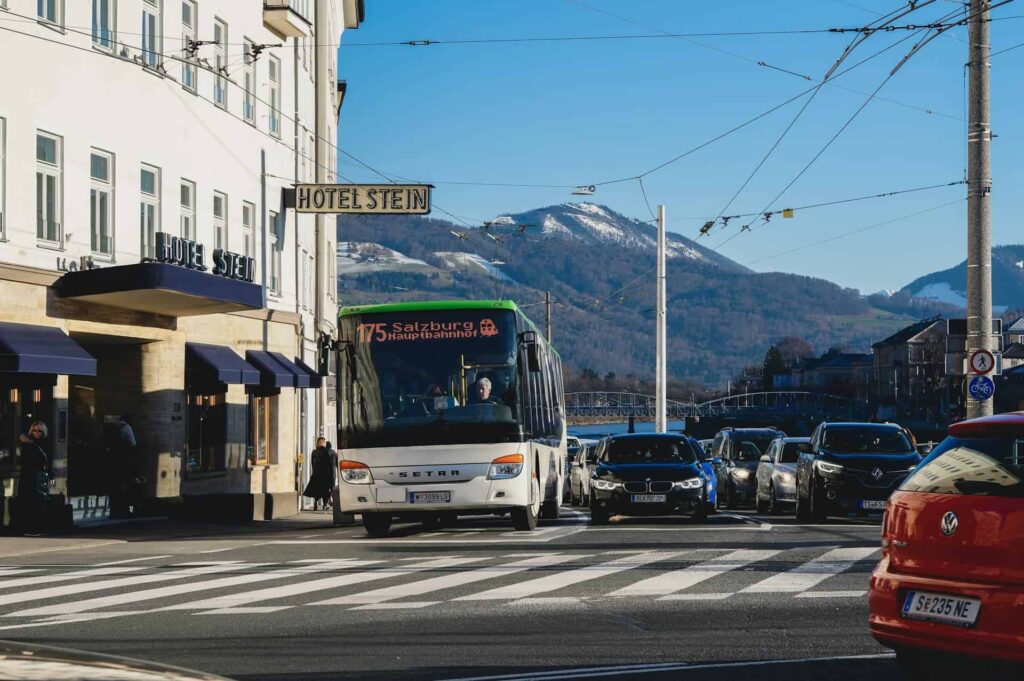
Moving less often means spending less. Staying longer in each destination reduces transport costs and removes the need for constant bookings, tickets, and transfers.
It also naturally shifts your focus away from expensive tourist attractions and encourages a more relaxed and thoughtful approach to travel.
Instead, slow travel encourages free or low-cost experiences such as hiking through nature, visiting local parks, relaxing on beaches, or simply people-watching in a busy city square.
Travellers often discover that some of the most memorable experiences come from everyday moments rather than costly activities.
3. Reduce Stress and Find Balance
Traditional travel can often feel like a sprint, with packed itineraries, long queues, tight schedules, and constant pressure to see as much as possible in a short amount of time.
Many travellers end up exhausted from rushing between landmarks and trying to fit every attraction into a single trip. Slow travel takes the opposite approach, focusing on quality of experience rather than quantity.
Travellers can move at a more comfortable pace, leaving room for spontaneity and meaningful moments.
Quiet experiences – such as journalling in a café, watching everyday life unfold in a town square, or chatting with a local at a food stall – often become the most memorable parts of a journey.
4. Experience Culture More Deeply
When you stay in one place for longer, you begin to notice the daily rhythms of local life. Familiar faces appear in cafés and markets, routines become easier to recognise, and destinations start to feel less like tourist stops and more like temporary homes.
Spending longer in a destination also creates opportunities for deeper cultural understanding. It’s a chance to learn more than just a few basic phrases of the language, discover local customs, and take part in conversations they would never experience on a rushed whistle-stop tour.
These small but meaningful interactions help create genuine connections with the people and culture of a place.
5. Make Space for Spontaneity
Without a rigid itinerary, slow travel leaves room for the unexpected. Instead of rushing from one attraction to the next, travellers have the freedom to follow their curiosity, change plans spontaneously, and enjoy experiences they could never have scheduled in advance.
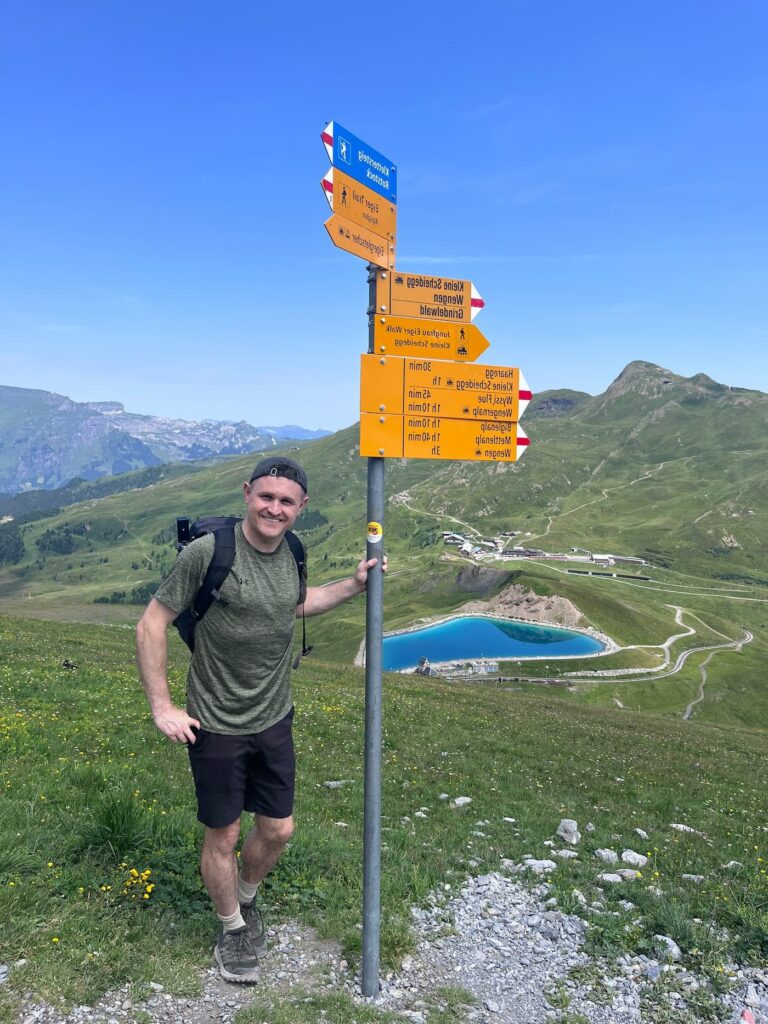
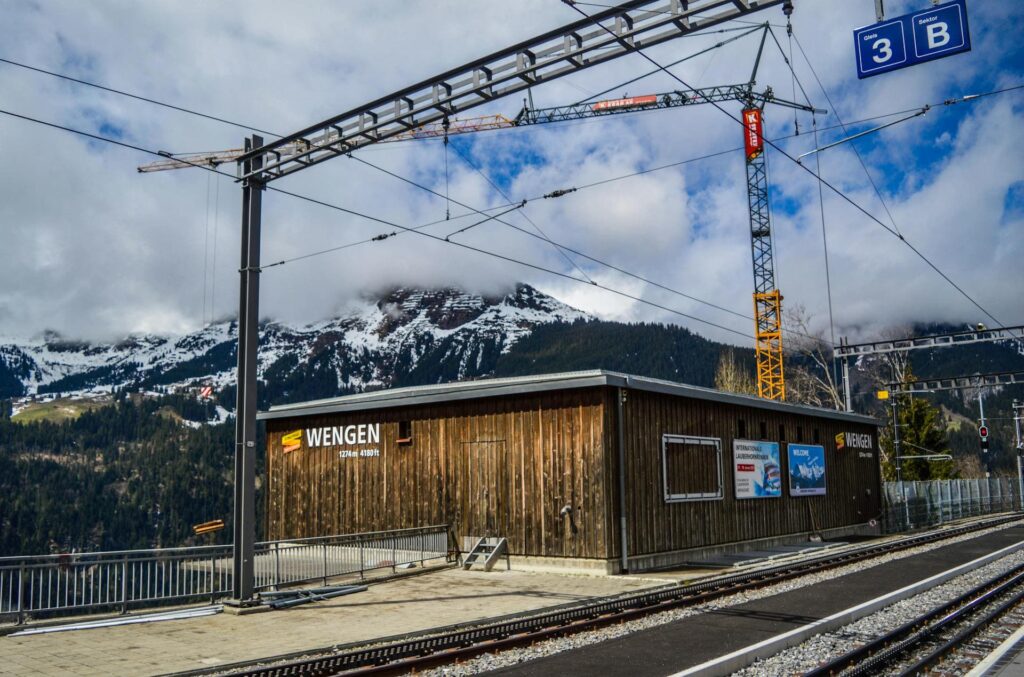
While staying in Wengen, my daughter and I once followed the sound of live music echoing through the village streets. We came across an Australian singer called Gaudion performing in a small venue and ended up staying for hours, completely caught up in the atmosphere. Years later, we still follow his music and remember that evening as one of the highlights of our trip.
It’s a great example of What is Slow Travel. These kinds of unplanned discoveries are often the moments that stay with travellers the longest. They create stories that feel genuine and personal, reminding us that some of the best travel experiences happen when there is time and space to simply wander and see where the journey leads.
How to Embrace Slow Travel
The first step is a mindset shift. Instead of racing through a checklist, slow travel encourages you to be present, stay curious, and let the journey unfold at its own pace.
Some destinations – like mountain villages and smaller towns – naturally lend themselves to slowness.
But even in big cities, you can take a slow approach by exploring one neighbourhood at a time, returning to the same cafés, and saying yes to unplanned conversations.
Practical Tips for Travelling Slowly
- Stay Longer
Spend several days or weeks in each destination. You’ll build routines, form connections, and notice details you’d otherwise miss. - Leave Room to Improvise
Avoid back-to-back plans and allow your route or schedule to change based on what you discover – or how you feel. - Support Local
Eat at independent restaurants, stay in guesthouses or small hotels, shop at markets, and ask locals for recommendations. - Take the Train
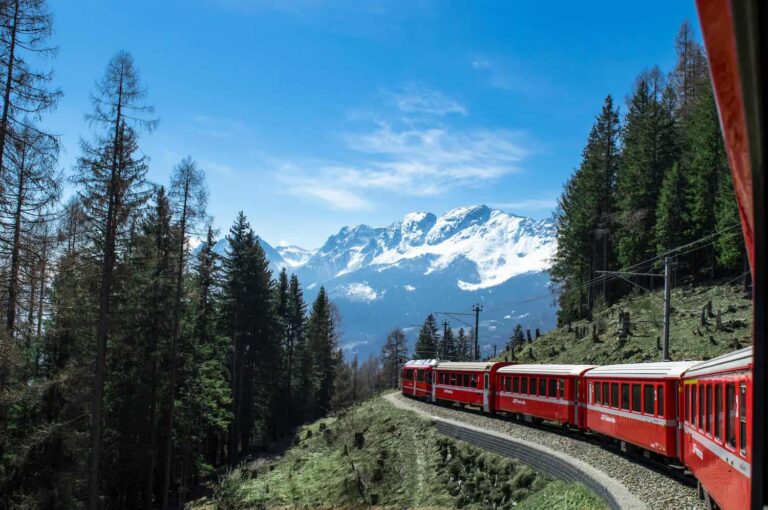
Trains are not only lower carbon – they also offer a front-row seat to landscapes and places that flights completely bypass. - Travel Sustainably
Avoid over-touristed destinations during peak season, pack light, and be mindful of your environmental impact. - Prioritise Safety
Even while slowing down, stay aware of your surroundings, trust your instincts, and keep local emergency information handy.
What is Slow Travel FAQs
What is meant by slow travel?
Slow travel is a mindful approach to exploring the world that prioritises quality over quantity, meaningful experiences over speed, and sustainability over convenience.
Why is slow travel trending?
More travellers are working remotely, prioritising wellbeing, and seeking environmentally conscious ways to travel. Slow travel aligns with all three.
Is slow travel worth it?
Yes. Slow travel is often cheaper, more enriching, and far less stressful than traditional tourism, while offering deeper cultural connections.
What are the rules of slow travel?
Stay longer, travel sustainably, connect locally, remain flexible, and allow the journey to shape your experience.
My Final Thoughts
For me, slow travel isn’t a passing trend – it’s become a way of seeing the world differently. It’s about presence, curiosity, and resisting the urge to rush.
Whether I’m travelling for a weekend or several weeks, choosing the train over a flight, staying in a family-run guesthouse instead of a chain hotel, or following curiosity rather than a strict plan, slowing down consistently makes travel richer and more meaningful.